
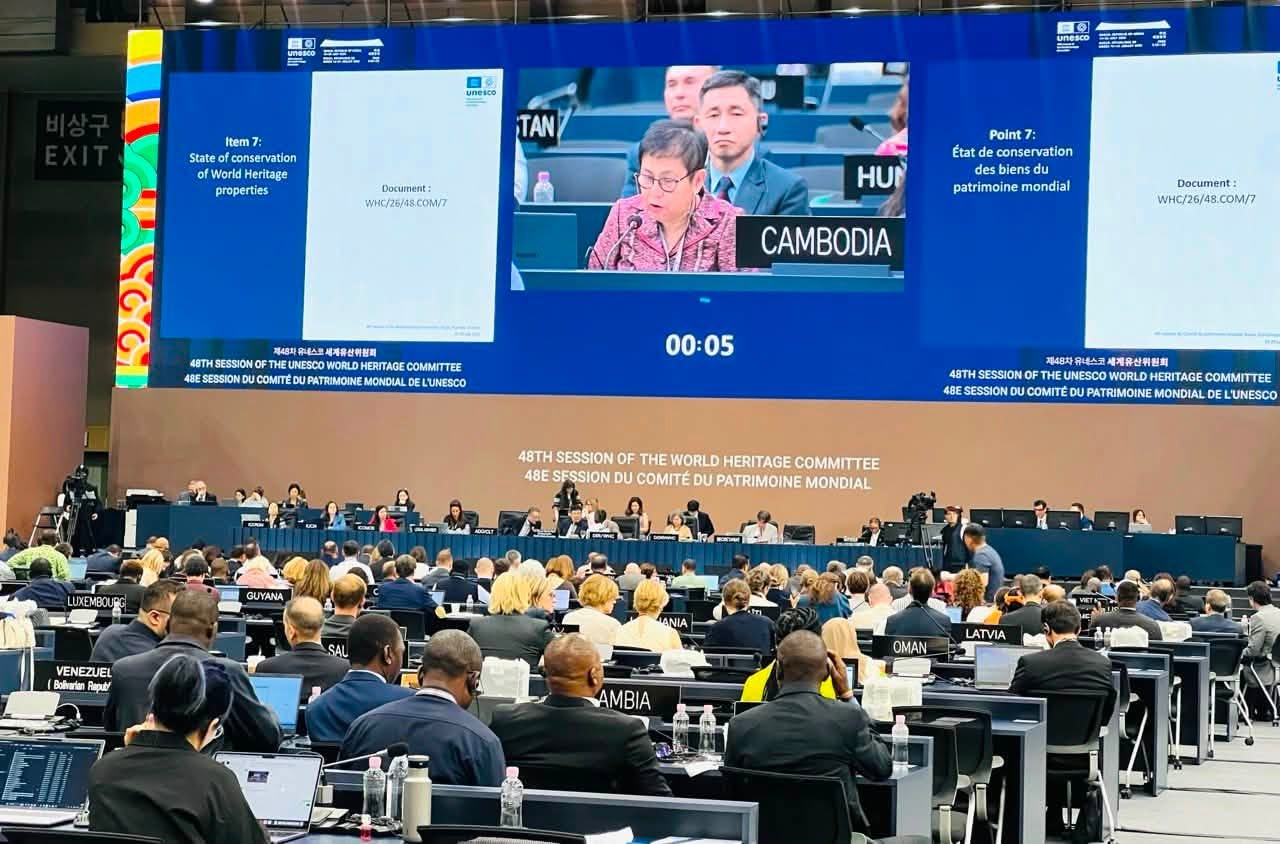
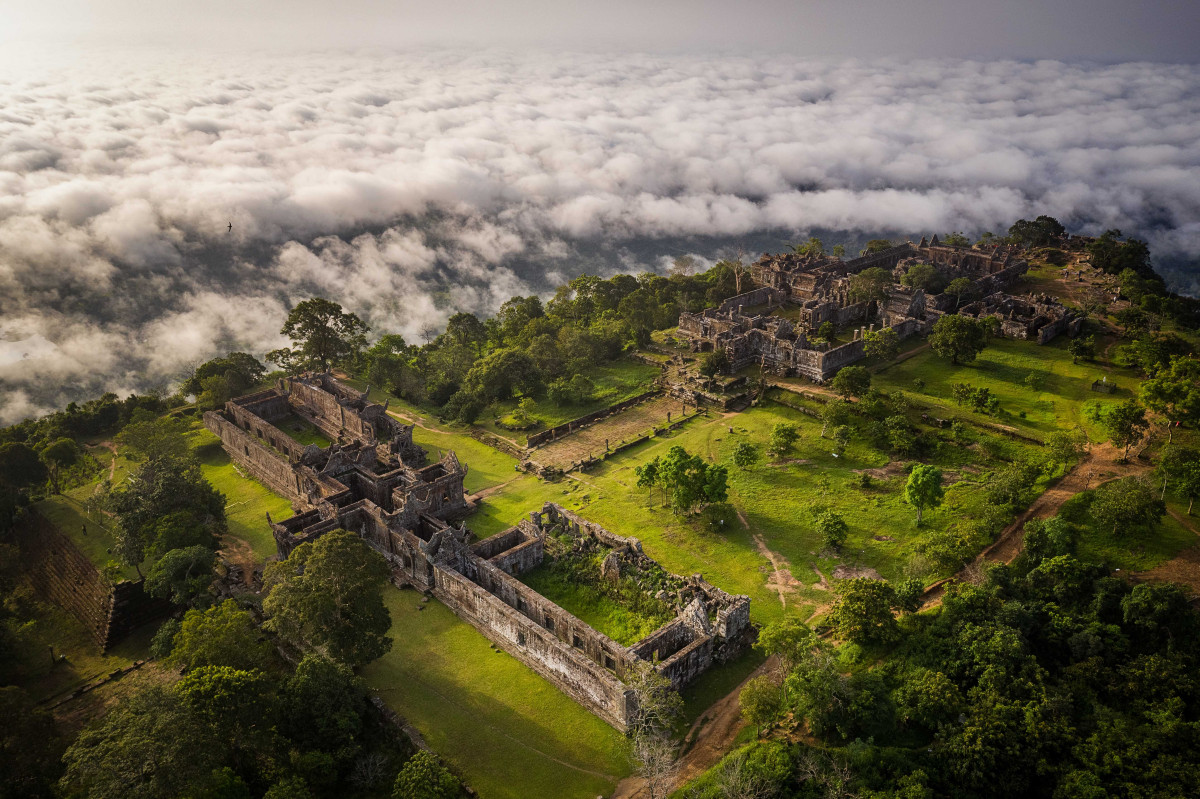
PHNOM PENH, Cambodia has called on the international community, UNESCO and other relevant international organizations to take urgent action to protect Preah Vihear Temple, a UNESCO World Heritage Site, after Cambodian authorities alleged that the ancient monument sustained severe damage during attacks by Thai military forces amid border clashes.
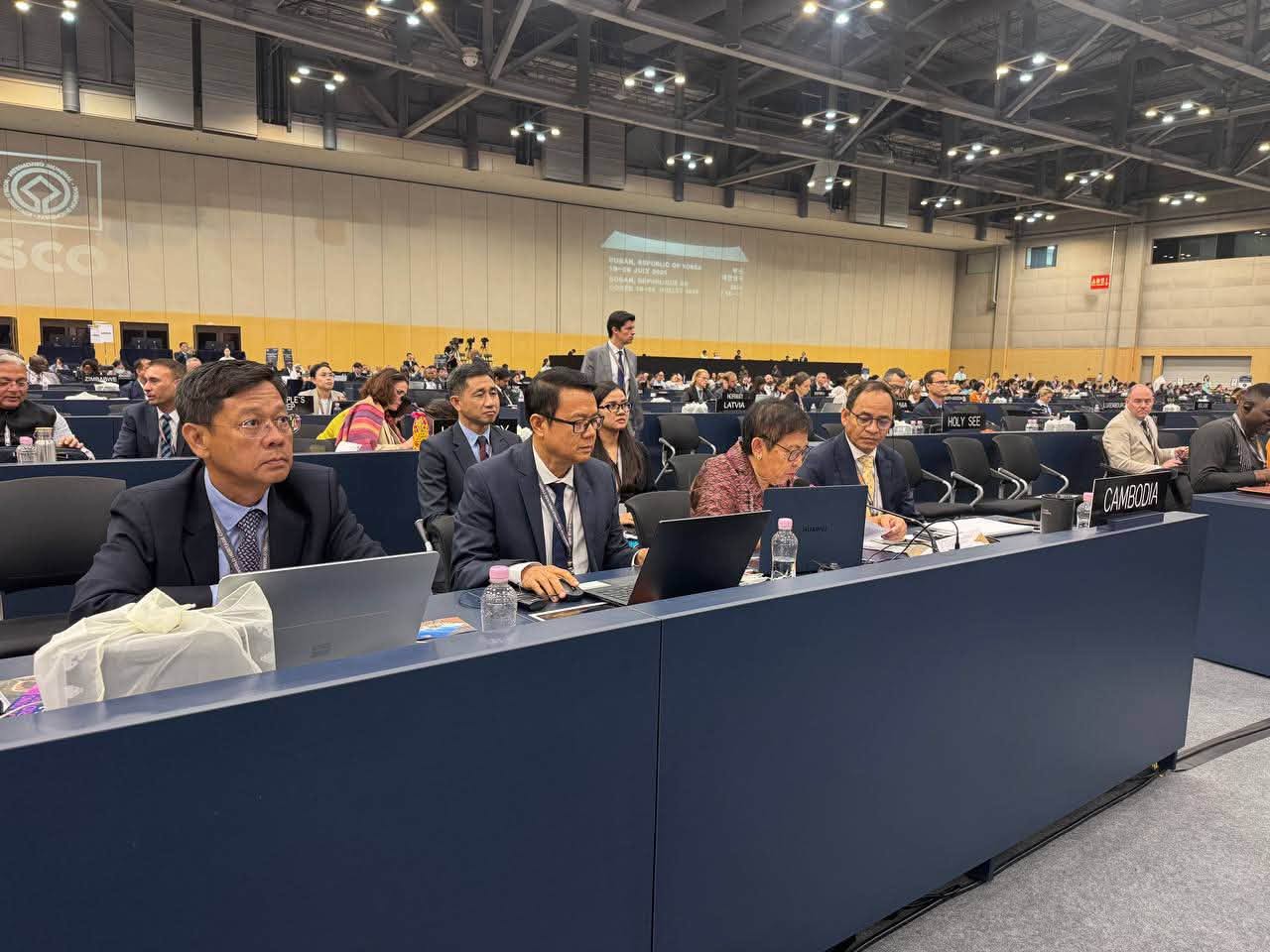
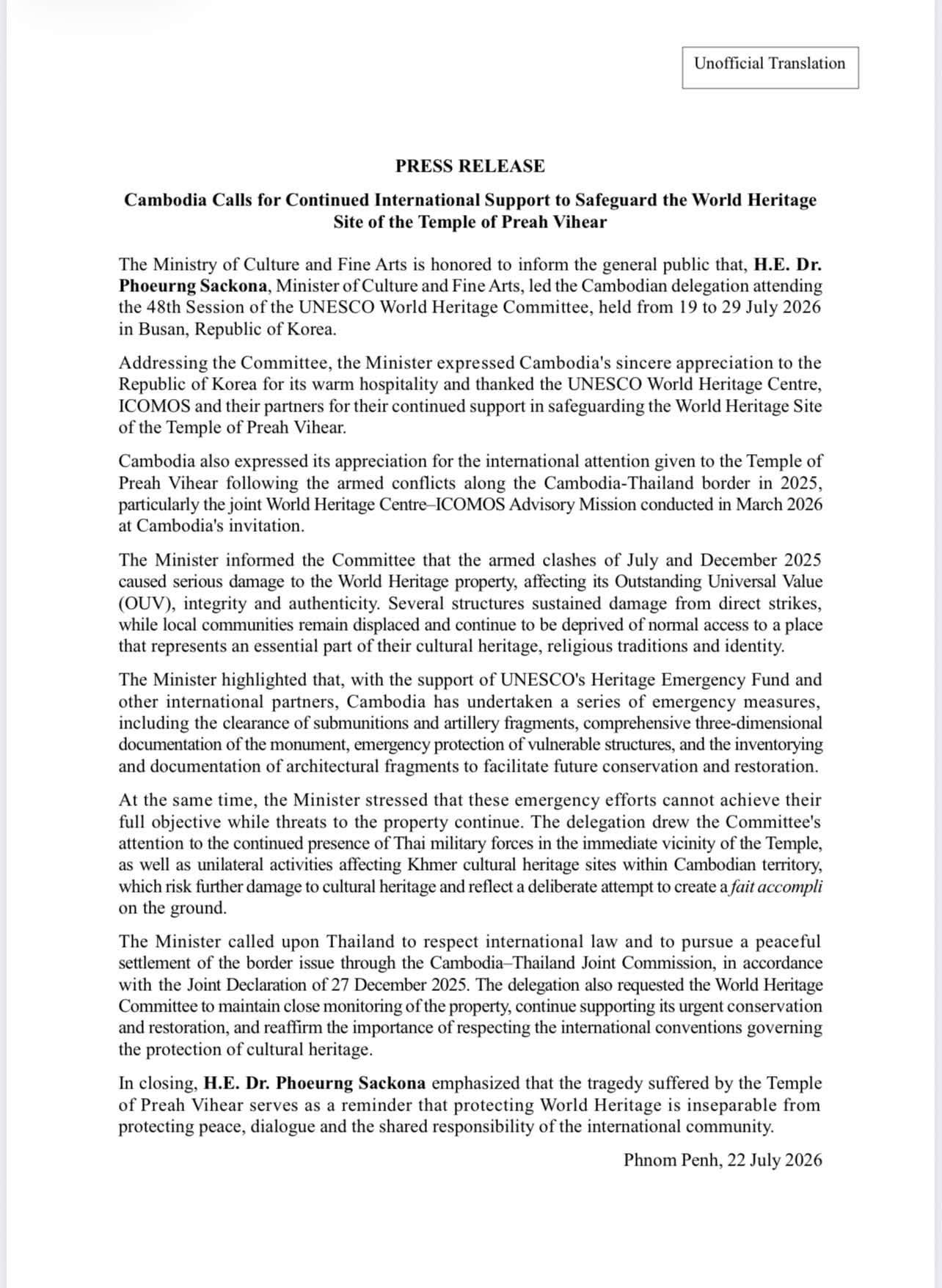
The appeal was made in a press release issued by Cambodia's Ministry of Culture and Fine Arts on July 22, 2026, coinciding with remarks delivered by Minister of Culture and Fine Arts Phoeurng Sackona at the 48th session of UNESCO's World Heritage Committee, held from July 19 to July 29 in Busan, South Korea.
Addressing delegates at the committee meeting, Phoeurng said the armed confrontations had caused serious harm to one of humanity's shared cultural treasures.
"The armed clashes in July and December 2025 caused severe damage to this World Heritage property, affecting its Outstanding Universal Value (OUV), Integrity and Authenticity," Phoeurng told the World Heritage Committee.
According to the ministry's press release, Cambodia expressed grave concern that the reported damage could undermine the cultural, historical and architectural significance for which Preah Vihear Temple was inscribed on the UNESCO World Heritage List in 2008.
The ministry said Cambodia has worked closely with UNESCO and the International Council on Monuments and Sites (ICOMOS) for many years to conserve and manage the temple in accordance with international heritage standards.
It added that attacks against cultural heritage during armed conflict violate international legal obligations, including the 1954 Hague Convention for the Protection of Cultural Property in the Event of Armed Conflict and the 1972 UNESCO World Heritage Convention, both of which require States Parties to safeguard cultural properties of outstanding universal value.
Phoeurng told delegates that the impact of the conflict extended beyond physical damage to the monument itself.
"The temple's structures suffered extensive damage from direct attacks, while local communities remain displaced and unable to access their sacred sites, which form part of their cultural heritage, traditions, religious practices and identity," she said.
The ministry said Cambodian authorities are assessing the extent of the damage while implementing emergency conservation measures in cooperation with UNESCO, ICOMOS and other international partners.
According to the minister, Cambodia has already begun emergency interventions aimed at protecting the site and preserving evidence for future restoration.
"With support from UNESCO's Heritage Emergency Fund and other international partners, Cambodia has undertaken emergency measures, including the clearance of cluster munitions and artillery remnants, 3D documentation of the temple, protection of vulnerable structures, and documentation of architectural fragments to support future conservation and restoration efforts," Phoeurng said.
She called on UNESCO member states and the wider international community to strengthen cooperation in protecting cultural heritage during armed conflicts, stressing that World Heritage sites belong to all humanity and should never become targets of military operations.
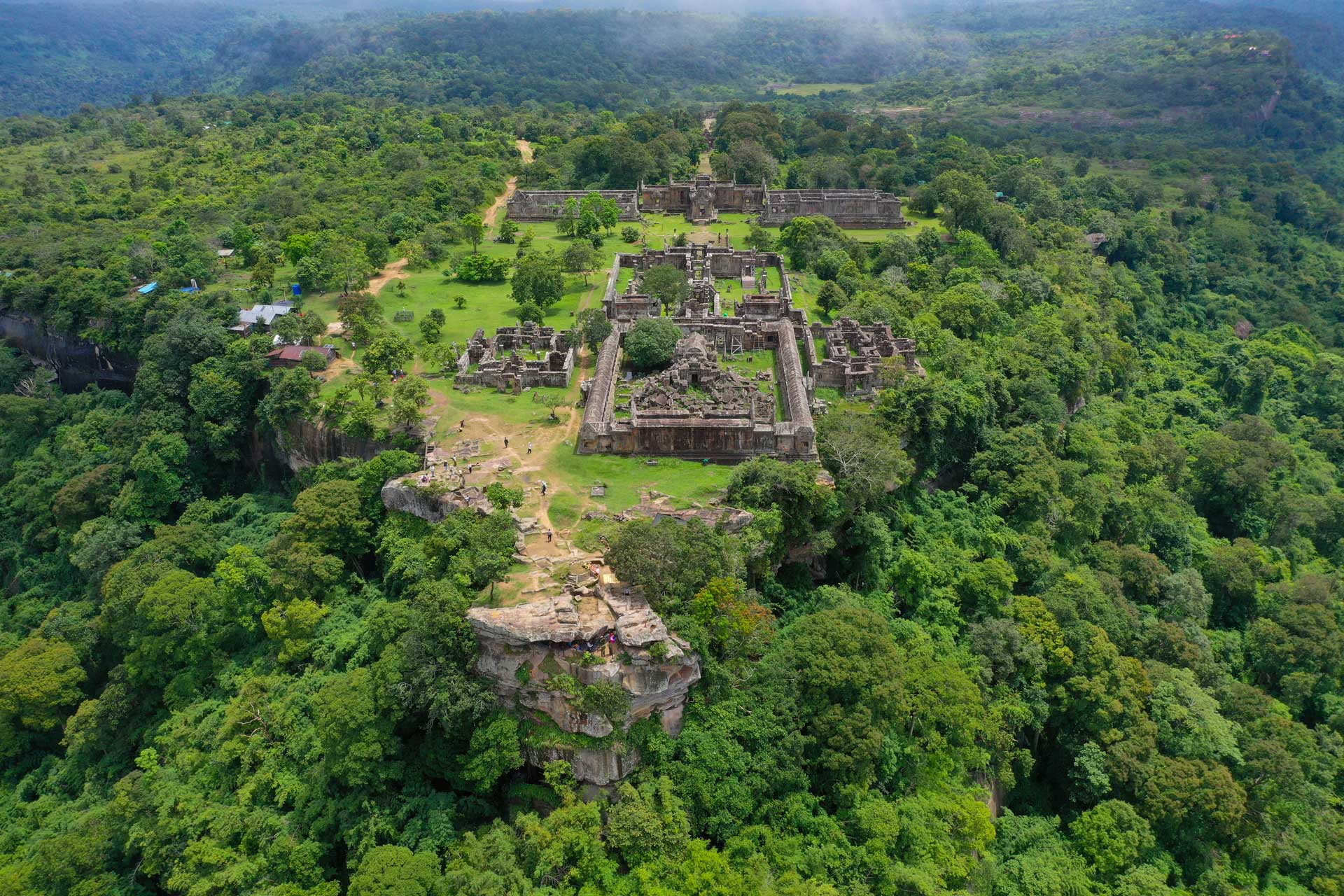
Cambodia also underscored that Preah Vihear Temple enjoys a firmly established legal status under international law through judgments of the International Court of Justice (ICJ).
In its landmark ruling of June 15, 1962, the ICJ determined that sovereignty over Preah Vihear Temple belongs to Cambodia. The judgment was based on the Annex I Map prepared under the Franco-Siamese boundary arrangements and on the international legal principle of estoppel, under which a state cannot later reject a position that it has previously accepted or failed to contest over an extended period.
The Court ordered Thailand to recognize Cambodia's sovereignty over the temple, withdraw all military and police personnel from the temple and its vicinity, and return cultural objects removed from the site since 1954. Cambodia says the judgment remains legally binding on both parties.
Following armed clashes along the border between 2008 and 2011, Cambodia requested the ICJ to interpret its 1962 judgment after Thailand argued that the ruling applied only to the temple structure and not to the surrounding territory.
In its Nov. 11, 2013 interpretation judgment, the ICJ unanimously reaffirmed that the 1962 decision awarded Cambodia sovereignty over the entire Promontory of Preah Vihear, including the cliff and surrounding land adjacent to the temple, rather than only the monument itself. The Court also reaffirmed that Thailand is obligated to withdraw any military or police forces from that territory.
Cambodia maintains that the 1962 and 2013 ICJ judgments, together with international conventions on the protection of cultural heritage, provide a strong legal foundation for safeguarding Preah Vihear Temple as both a UNESCO World Heritage Site and part of humanity's common heritage.
The Ministry of Culture and Fine Arts urged all states to respect the ICJ's judgments, international humanitarian law and relevant cultural heritage conventions to ensure the protection of cultural heritage and the preservation of peace along the Cambodia–Thailand border.
At the time of publication, Thai authorities had not publicly responded to the Cambodian ministry's press release. Thailand has previously said it respects the ICJ's rulings while maintaining a different interpretation regarding the scope of the surrounding border area, an issue that has remained at the center of the longstanding dispute between the two neighboring countries.

12-មករា-2026 - ម៉ោង 11:23:AM
14-កញ្ជា-2023 - ម៉ោង 10:07:AM


© ២០២៣ រក្សាសិទ្ធិគ្រប់យ៉ាងដោយ BAITONGPOST
#35,St 1013, Phnom Penh Thmei, Sen Sok, , Phnom Penh, Cambodia
