BAITONGPOST

Farmers Fear Livelihood Losses and Crop Damage Amid Unpredictable 2026 Rainy Season
20-កក្តដា-2026 - ម៉ោង 04:07:PM

Phnom Penh: Farmers across several provinces in Cambodia are expressing growing concern that increasingly unpredictable weather during the 2026 rainy season could severely damage crops and threaten rural livelihoods, even as the Ministry of Water Resources and Meteorology forecasts moderate to heavy rainfall accompanied by thunderstorms, strong winds, lightning and localized flooding in parts of the country.


According to the Ministry of Water Resources and Meteorology, Cambodia's weather conditions in 2026 are being influenced by ENSO-Neutral and IOD-Neutral climate patterns. While these conditions are generally expected to provide favorable rainfall for agricultural production, the ministry has warned that intense rainfall over short periods could trigger flash floods and inundation in low-lying areas.


In response to the forecast, provincial Departments of Water Resources and Meteorology have issued a series of public advisories urging residents and farmers to remain vigilant and closely monitor weather updates throughout the rainy season.

The Department of Water Resources and Meteorology in Kampong Thom Province has advised farmers to prepare protective measures against heavy rainfall, strong winds and lightning that could damage crops and property. Likewise, the department in Stung Treng Province has warned communities living along rivers and in lowland areas to remain alert for possible localized flooding. Meanwhile, the Siem Reap Provincial Department has cautioned local authorities and farmers about the risks posed by thunderstorms, strong winds and lightning, which may damage agricultural crops and farming infrastructure. Similar warnings have also been issued by the provincial departments in Kampong Cham and Kratie, encouraging farmers to protect crops, livestock and household property from the impacts of severe weather.


Although seasonal forecasts indicate that rainfall is expected to be generally favorable, many farmers say increasingly erratic weather patterns have made agricultural planning more difficult than ever. While some areas are experiencing heavy rainfall and flooding, others continue to suffer from prolonged dry spells and water shortages for irrigation.


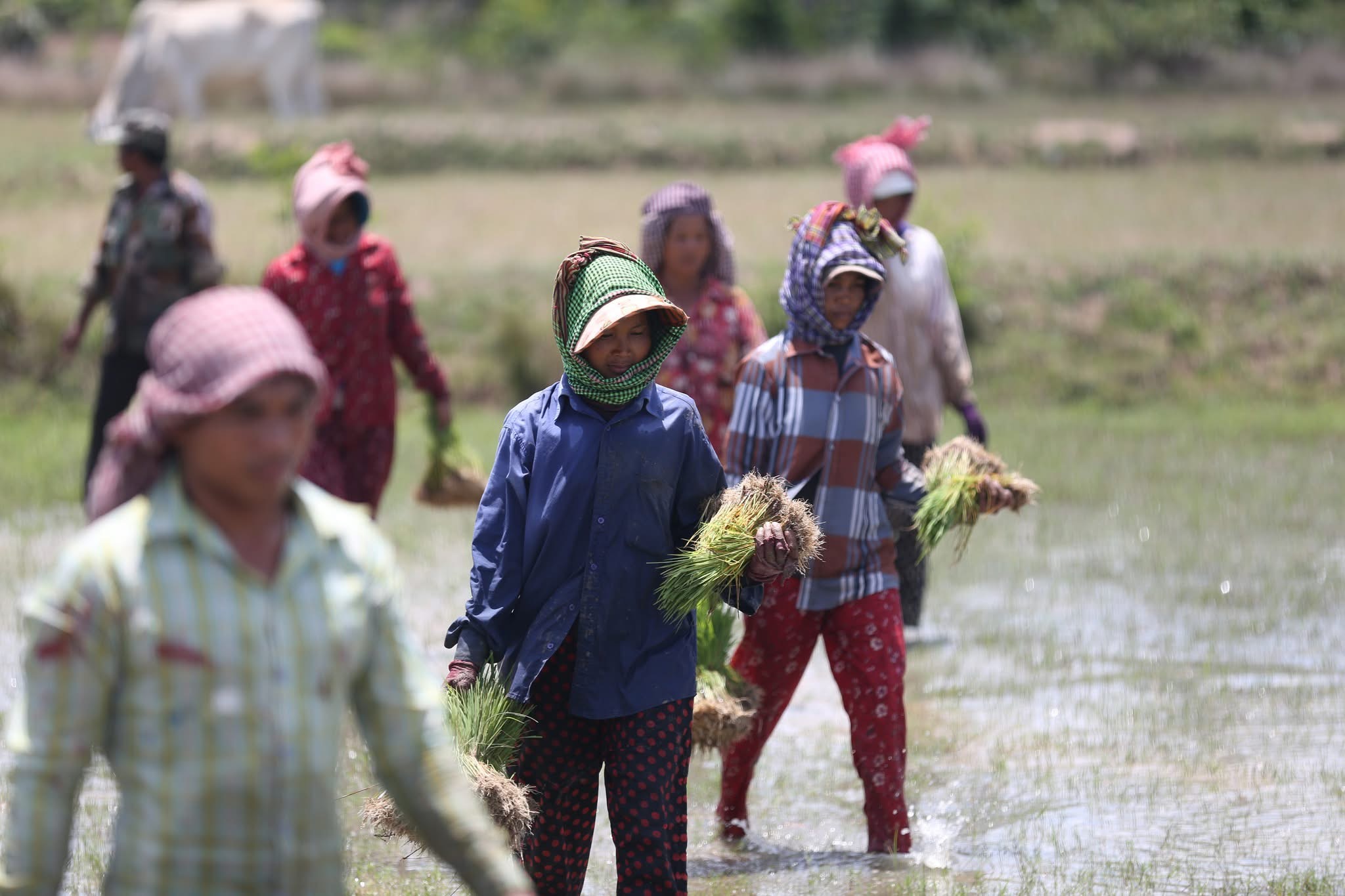
Farmers say heavy downpours within a short period can wash away or submerge newly planted rice seedlings, while cassava, maize, vegetables and fruit crops are vulnerable to flooding and strong winds. They also warn that prolonged humidity creates favorable conditions for crop diseases and pest outbreaks, further increasing production costs at a time when farming households are already under financial pressure.

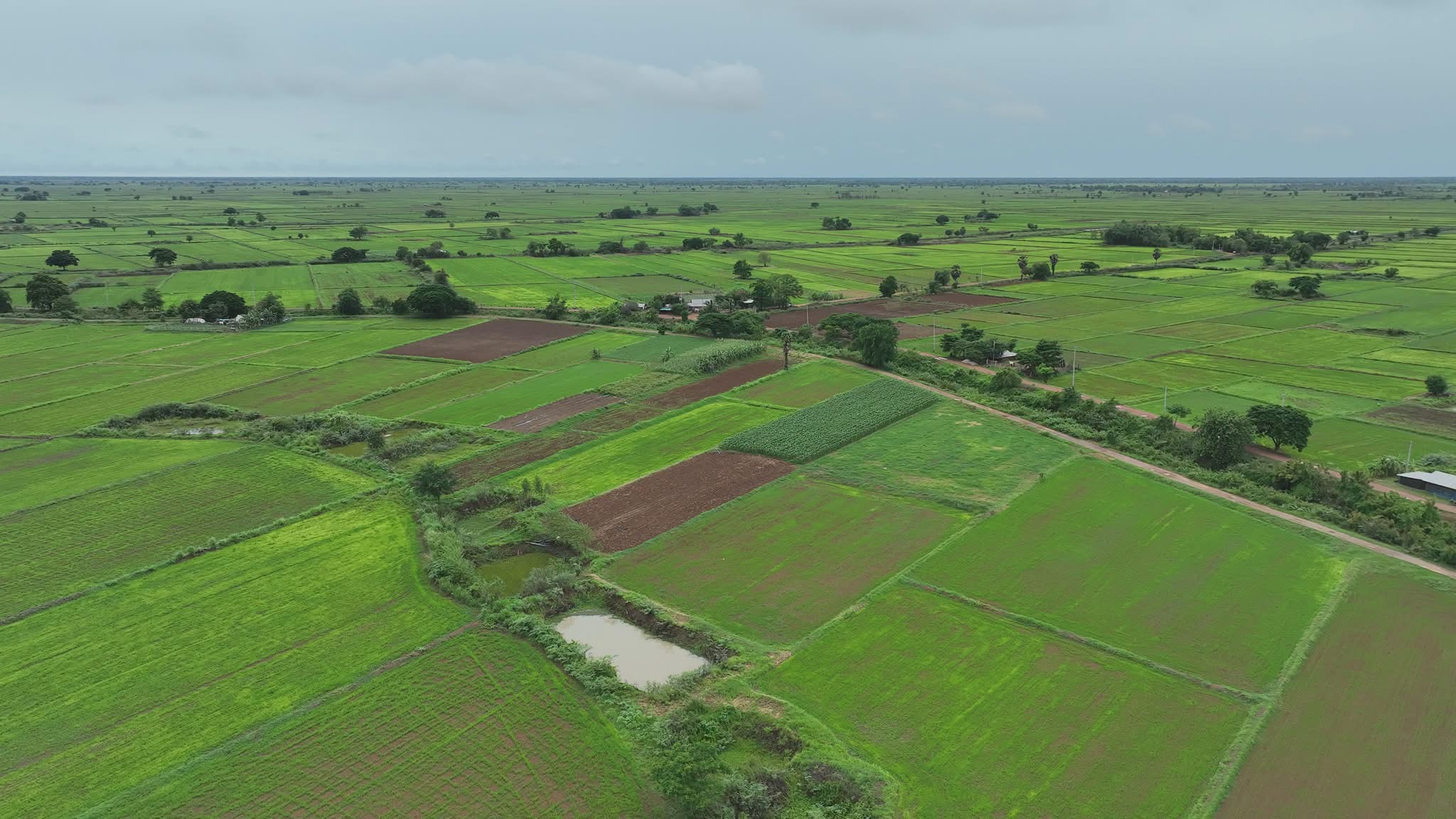
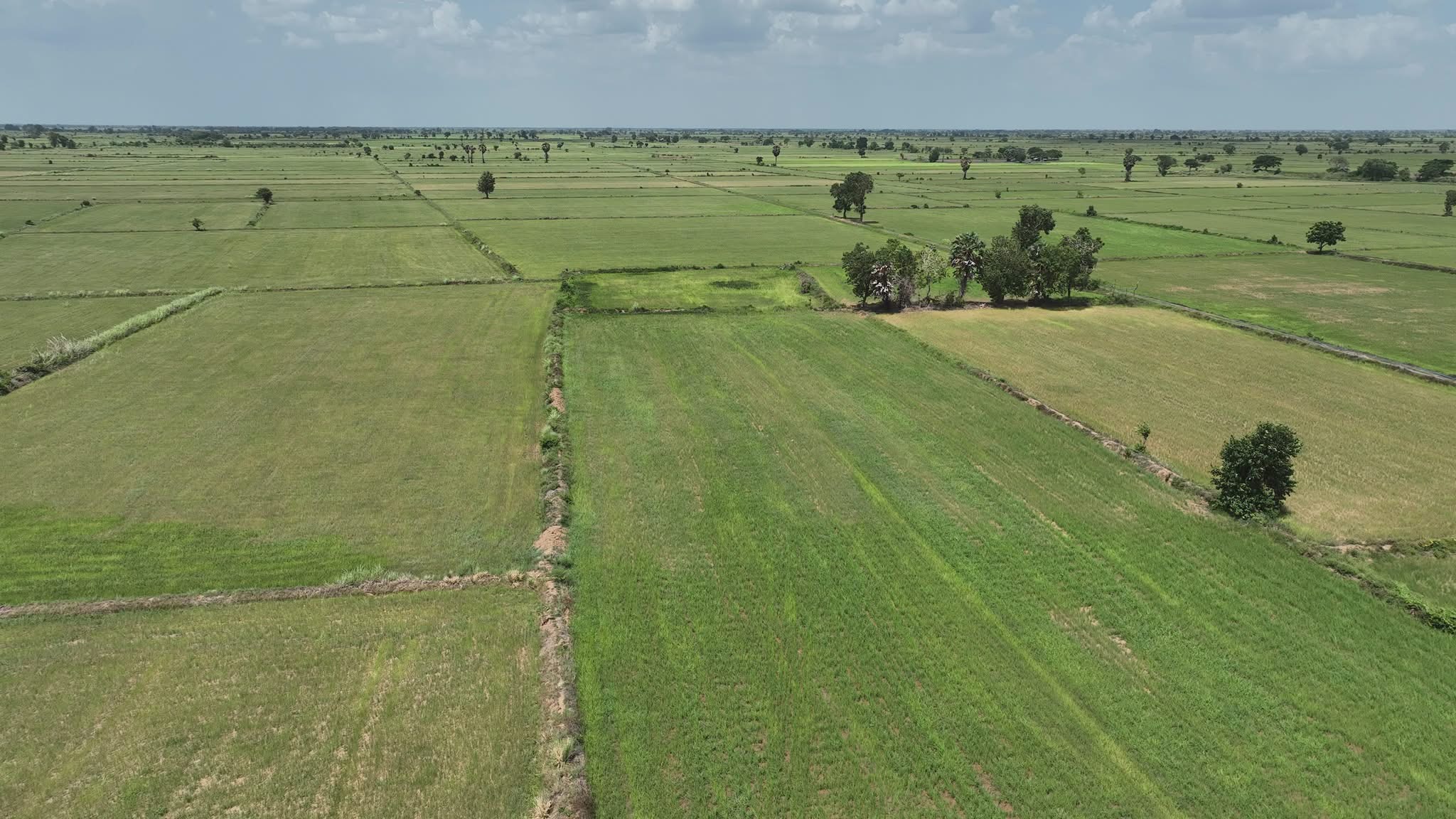
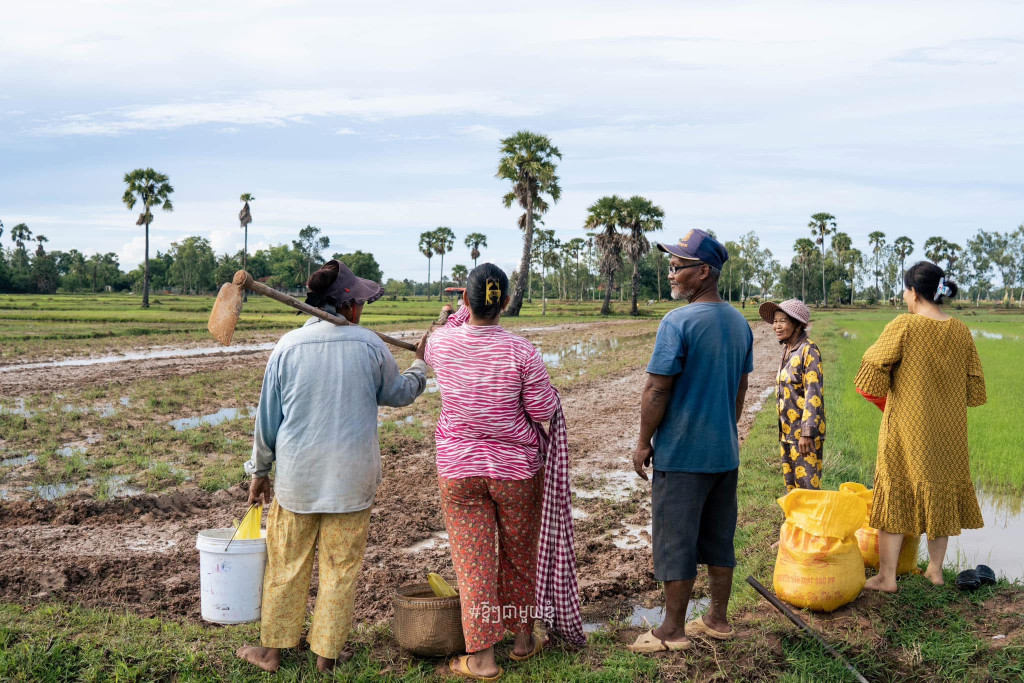
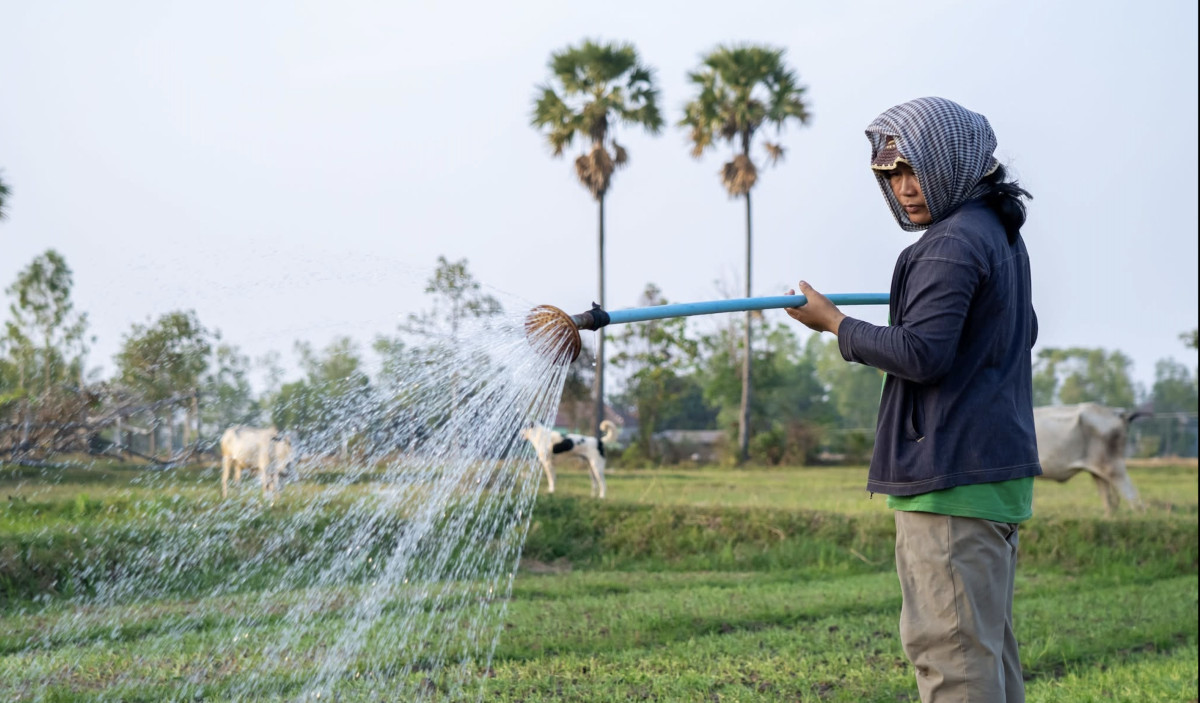
Mrs. Sao Ryna, a farmer from Pralay Commune, Stoung District, Kampong Thom Province, told Baitong Post that increasingly unpredictable weather during this year's rainy season has pushed many farming families deeper into economic hardship. She said prolonged dry conditions and limited irrigation water in several farming communities have left thousands of hectares of both dry-season and wet-season rice fields withered and unproductive.


"We depend entirely on our rice fields for our livelihoods. Watching the rice plants that we worked so hard to cultivate slowly dry up before our eyes is heartbreaking. Our investment in rice seed, fertilizer and agricultural inputs has been almost completely lost," Mrs. Sao Ryna said.


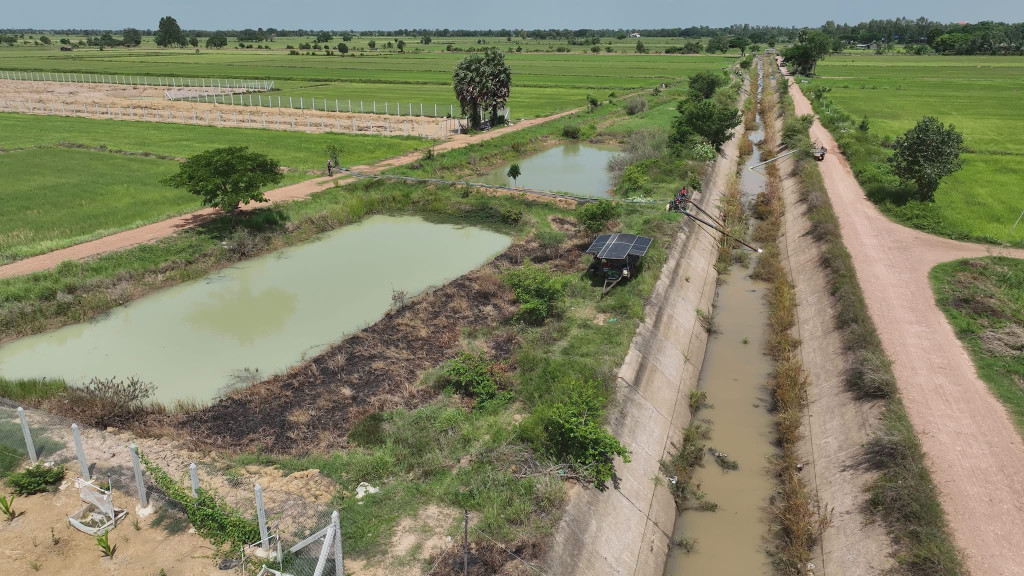
She added that many farmers have been forced to borrow additional money to purchase fuel for water pumps capable of drawing water from distant sources in an effort to save what remains of their crops, leaving families burdened with even greater debt. At the same time, shortages of clean water for household consumption have become another growing concern, forcing many rural families to spend scarce income purchasing drinking water.

A similar concern was expressed by Mrs. Oun Kimhon, a farmer from Puok District, Siem Reap Province, who told Baitong Post that widespread dry rice fields and insufficient irrigation water have placed many farming households at risk of losing both their harvests and their investments.


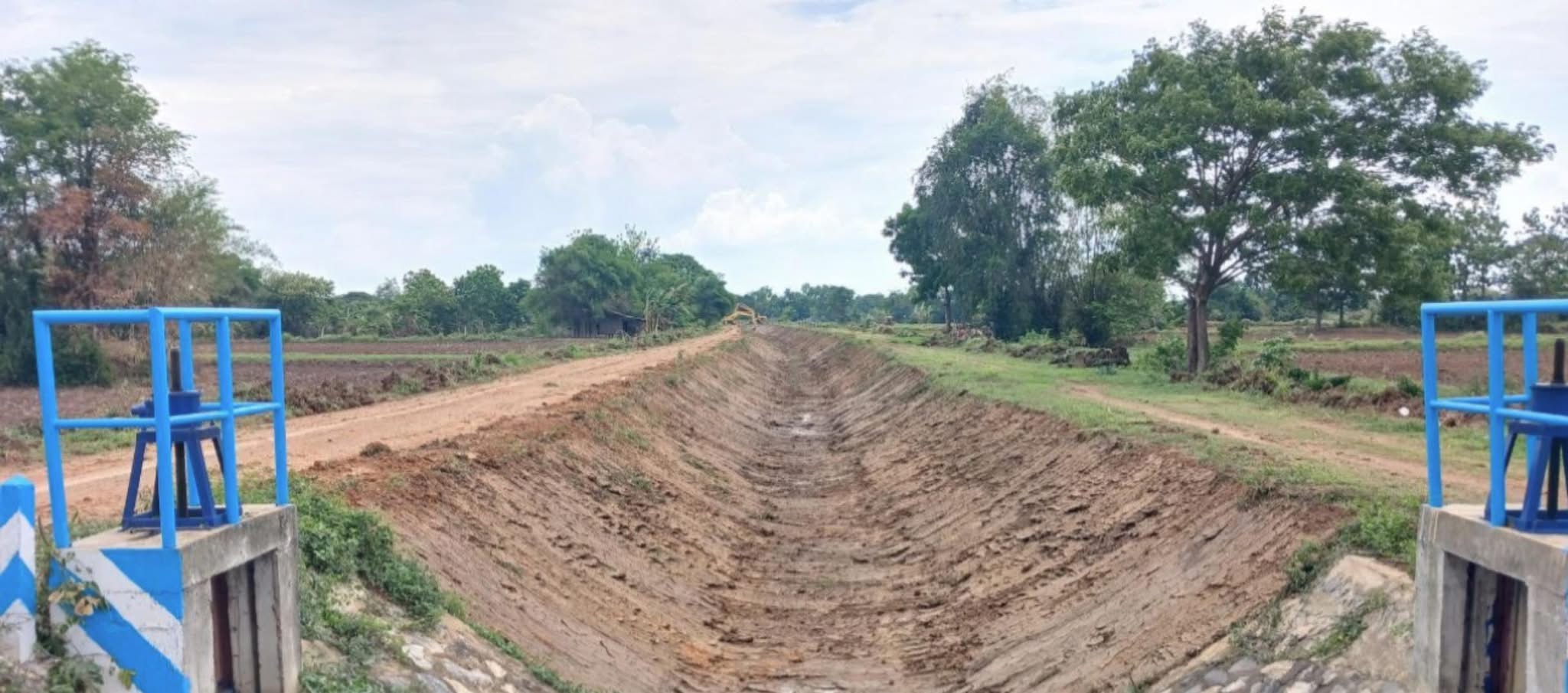
"We urgently appeal to the Royal Government, the Ministry of Water Resources and Meteorology, the Ministry of Agriculture, Forestry and Fisheries, and all relevant authorities to intervene immediately by dredging irrigation canals, deploying large water pumps, and transporting water from rivers, streams and reservoirs to save rice fields that are on the verge of dying," she said.


Mrs. Oun Kimhon also called on the government to provide rice seed and agricultural inputs to help farmers resume cultivation once rainfall returns or sufficient irrigation water becomes available. She further appealed to microfinance institutions and commercial banks to consider postponing loan repayments or reducing interest payments for farmers who have lost their sources of income during the current growing season.


"Without timely intervention, many farming families may be forced to abandon their land and migrate elsewhere in search of work. Such a situation would not only affect rural livelihoods but could also have serious consequences for Cambodia's food security and the national economy," she added.


She also urged the authorities to provide clean drinking water to communities facing severe water shortages in order to reduce the financial burden on households that are currently forced to purchase water for daily consumption.


Agricultural experts recommend that farmers strengthen drainage systems in their fields, adopt crop varieties that are more resilient to climate variability, and regularly monitor weather forecasts issued by the Ministry of Water Resources and Meteorology and provincial departments. They believe that early preparedness and timely response measures can significantly reduce crop losses and protect farmers' incomes as climate variability continues to pose increasing challenges to Cambodia's agricultural sector.


As climate change continues to reshape seasonal weather patterns, Cambodian farmers face growing uncertainty over agricultural production. While favorable rainfall remains essential for crop cultivation, experts say improving water management, strengthening climate resilience and expanding timely government support will be critical to protecting rural livelihoods and ensuring the country's long-term food security.