
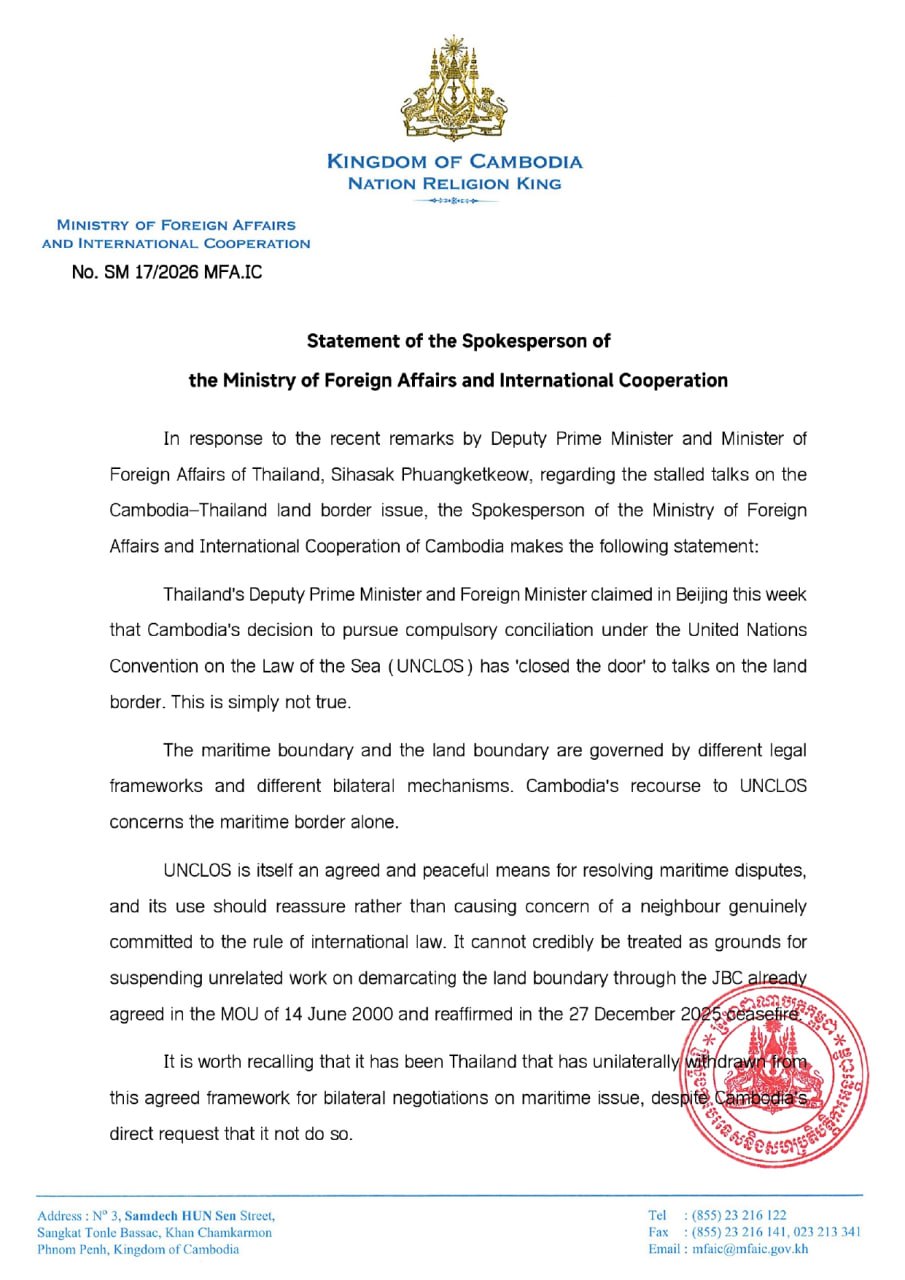
PHNOM PENH, July 20, 2026 — Cambodia on Monday rejected Thailand's assertion that Phnom Penh's decision to pursue a maritime dispute settlement process under the United Nations Convention on the Law of the Sea (UNCLOS) has undermined bilateral negotiations over their land border, calling the claim "simply not true" and urging Bangkok to resume long-stalled border demarcation talks.
In a statement issued by the Ministry of Foreign Affairs and International Cooperation, Cambodia's Foreign Ministry spokesperson responded to remarks made earlier this week in Beijing by Thailand's Deputy Prime Minister and Foreign Minister Sihasak Phuangketkeow, who said Cambodia's decision to invoke the UNCLOS compulsory conciliation mechanism had effectively "closed the door" to negotiations on the two countries' land boundary.
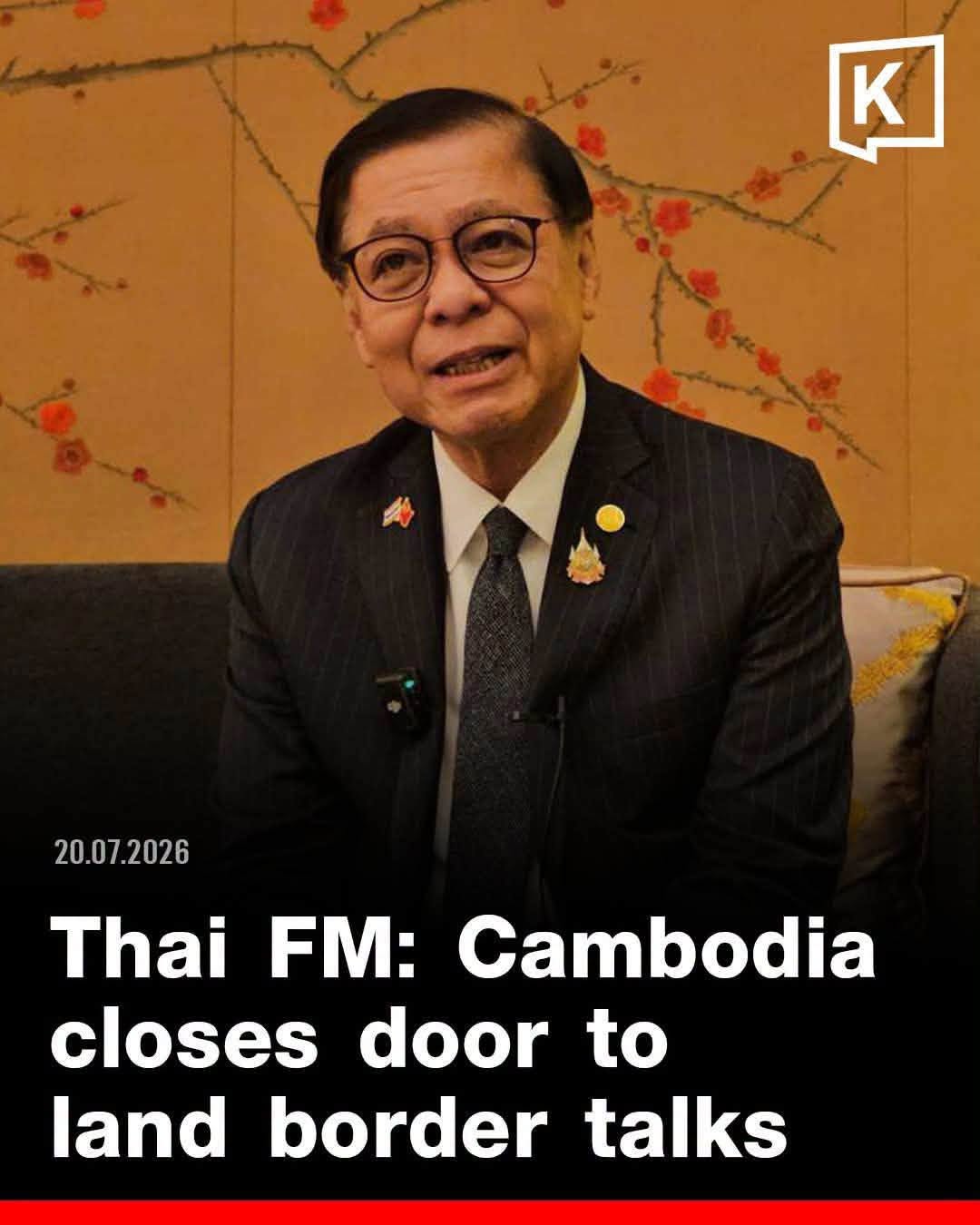
The Cambodia dismissed that characterization, arguing that the maritime and land border issues are governed by separate legal frameworks and should not be linked.
"Cambodia's recourse to UNCLOS concerns the maritime border alone," the spokesperson said. "The maritime boundary and the land boundary are governed by different legal frameworks and different bilateral mechanisms."
The statement said UNCLOS is an internationally recognized and peaceful mechanism for resolving maritime disputes and should not be used as justification for suspending land boundary demarcation through the Joint Boundary Commission (JBC), which both countries agreed to establish under the Memorandum of Understanding (MoU) signed on 14 June 2000.
Cambodia noted that the commitment to continue the JBC process was reaffirmed under the 27 December 2025 ceasefire agreement, arguing that there is "no legal or practical reason" for delaying land border demarcation while maritime proceedings under UNCLOS continue independently.
"UNCLOS is itself an agreed and peaceful means for resolving maritime disputes," the spokesperson said. "It cannot credibly be treated as grounds for suspending unrelated work on demarcating the land boundary through the Joint Boundary Commission."
The ministry also accused Thailand of creating unnecessary obstacles to the demarcation process, noting that Bangkok had previously withdrawn unilaterally from the agreed bilateral framework governing maritime negotiations despite Cambodia's request that it remain in place.
The statement further pointed out that Thailand had, on previous occasions, indicated its own intention to rely on UNCLOS in resolving maritime issues, making its current criticism of Cambodia's use of the convention inconsistent.
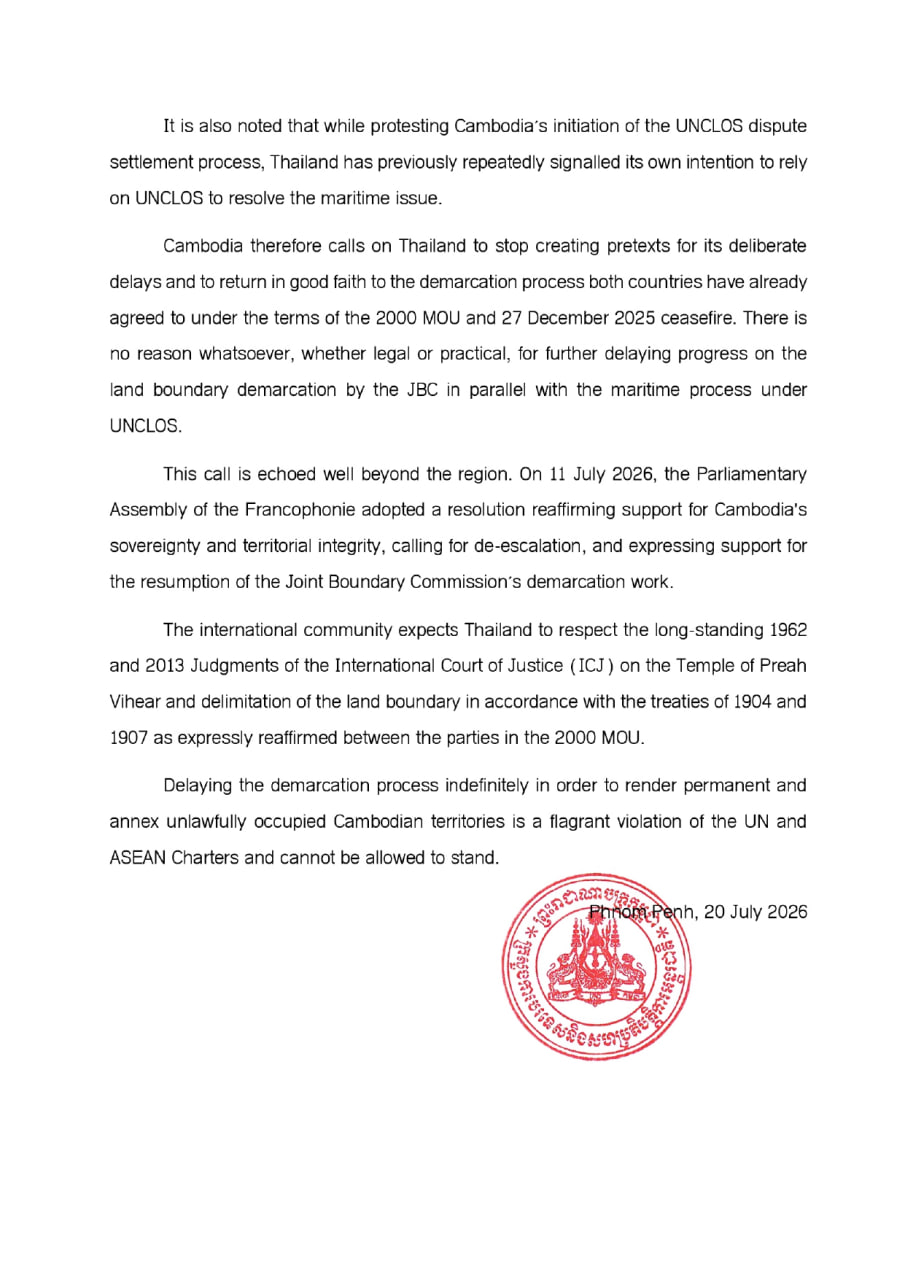
"Cambodia therefore calls on Thailand to stop creating pretexts for its deliberate delays and to return in good faith to the demarcation process both countries have already agreed to," the spokesperson said.
According to Cambodia, land boundary demarcation through the Joint Boundary Commission should proceed in parallel with the maritime conciliation process under UNCLOS because the two issues are legally distinct and governed by different agreements.
The Foreign Ministry also cited what it described as growing international support for Cambodia's position. It referred to a resolution adopted on 11 July 2026 by the Parliamentary Assembly of the Francophonie (APF), which reaffirmed support for Cambodia's sovereignty and territorial integrity, called for de-escalation of tensions, and supported the resumption of the Joint Boundary Commission's work.
The statement further urged Thailand to respect the 1962 and 2013 judgments of the International Court of Justice (ICJ) concerning the Temple of Preah Vihear, as well as the boundary delimitation established under the 1904 and 1907 Franco-Siamese Treaties, which Cambodia said were reaffirmed in the 2000 Memorandum of Understanding.
In its concluding remarks, Cambodia warned that indefinitely delaying the border demarcation process while maintaining what it described as the unlawful occupation of Cambodian territory would be inconsistent with international law.
"Delaying the demarcation process indefinitely in order to render permanent and annex unlawfully occupied Cambodian territories is a flagrant violation of the United Nations Charter and the ASEAN Charter and cannot be allowed to stand," the statement said.
The latest exchange underscores continuing tensions between Phnom Penh and Bangkok over unresolved border issues. While Cambodia is pursuing compulsory conciliation under UNCLOS to address overlapping maritime claims, it maintains that negotiations over the land boundary should continue through the Joint Boundary Commission under existing bilateral agreements. Thailand has yet to issue a public response to Cambodia's latest statement.

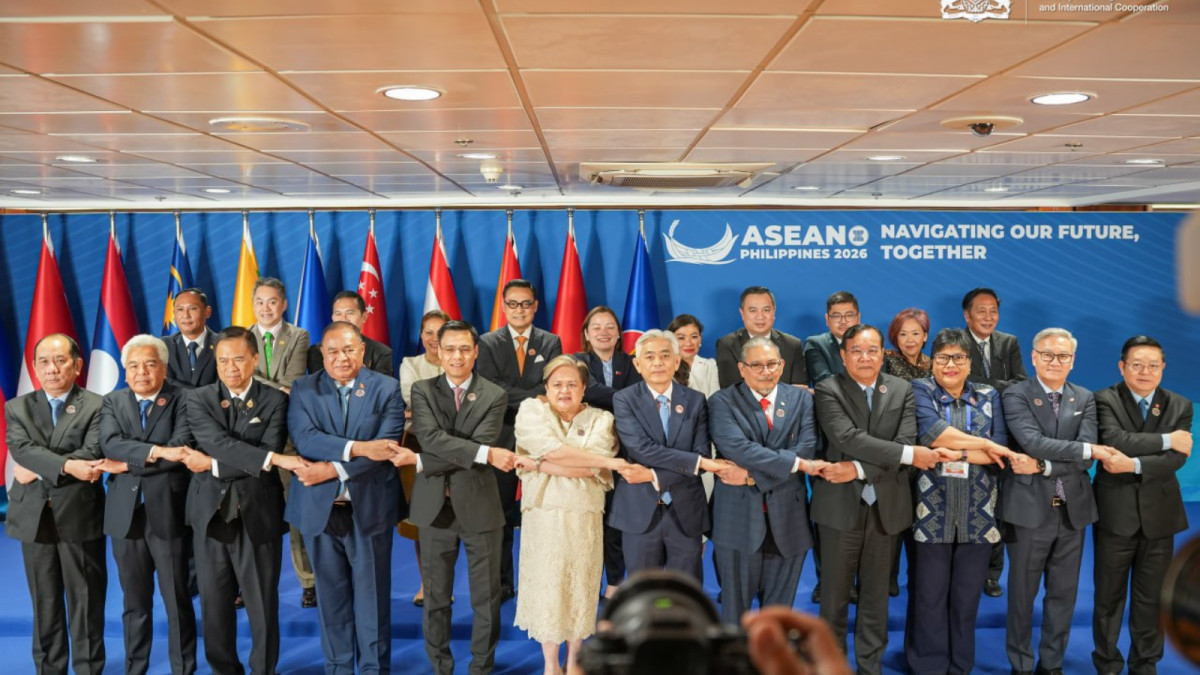 Cambodia Urges ASEAN to Press Thailand to Respect International Law and Ease Border Tensions
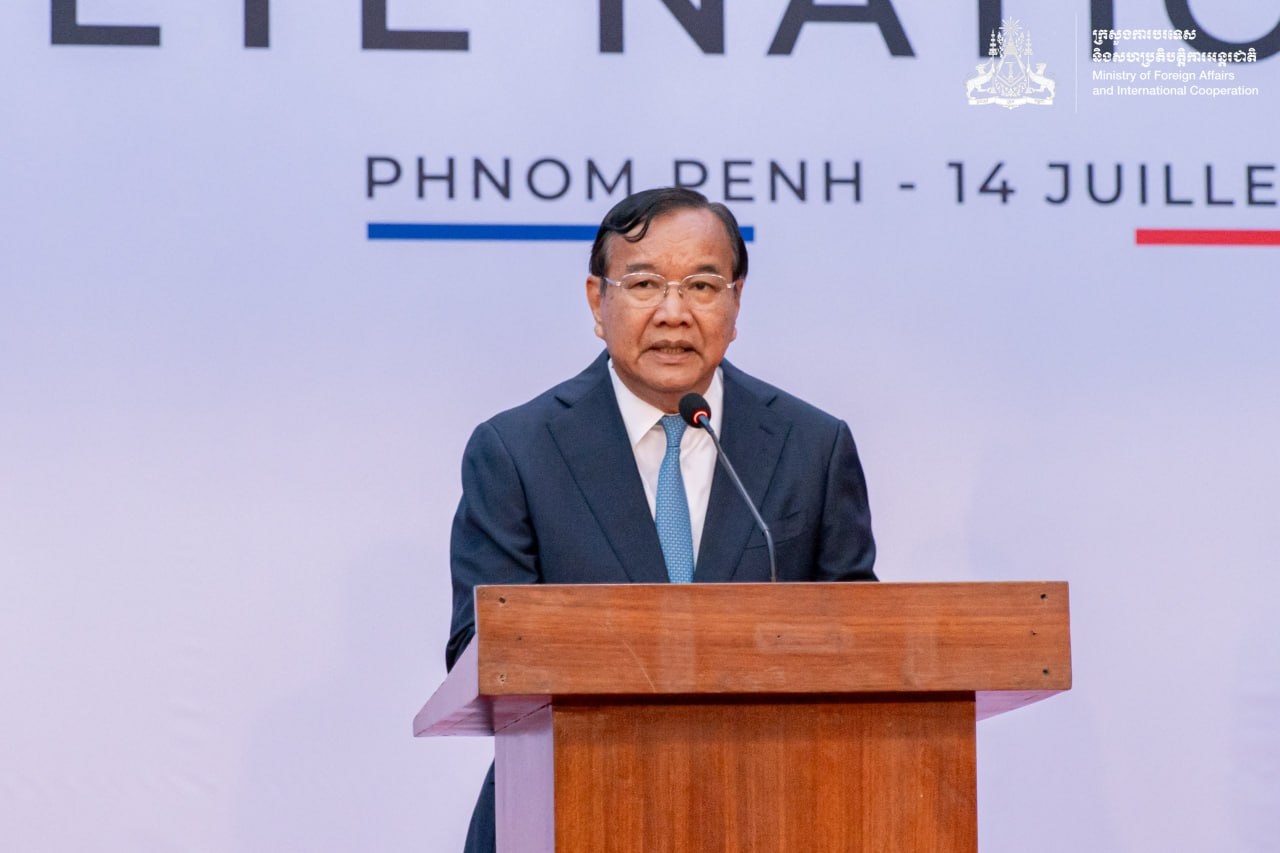 Cambodia Rejects Thai Claim That UNCLOS Move Halted Border Talks, Urges Resumption of Joint Demarcation
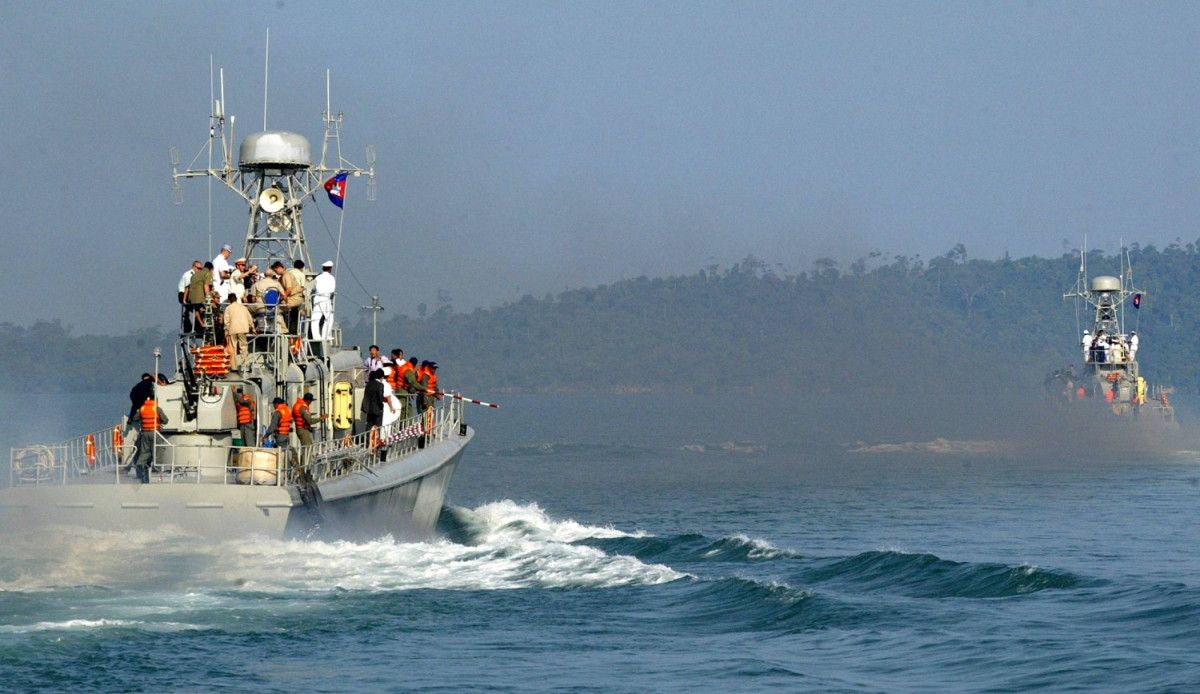 Cambodia Reaffirms Peaceful Resolution of Maritime and Land Border Disputes as Japan Extends First Official Security Assistance
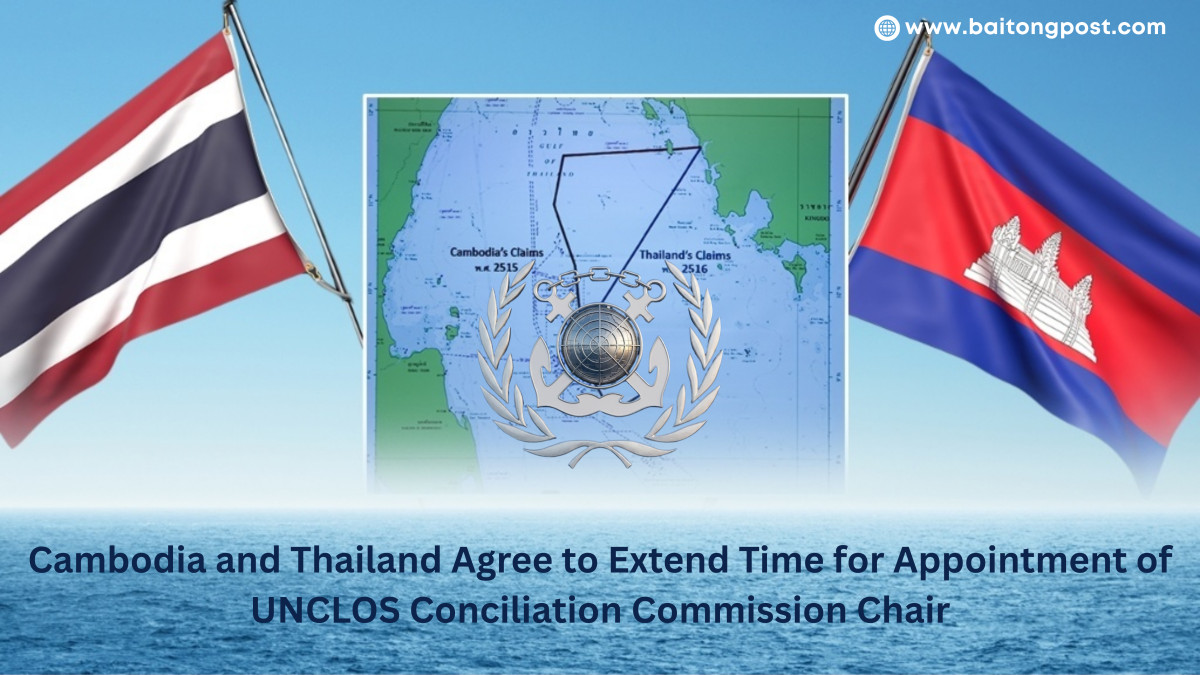
Cambodia and Thailand Agree to Extend Time for Appointment of UNCLOS Conciliation Commission Chair
Cambodia Reaffirms Peaceful Resolution of Maritime and Land Border Disputes as Japan Extends First Official Security Assistance
Cambodia and Thailand Agree to Extend Time for Appointment of UNCLOS Conciliation Commission Chair
 Thai Troops Continue Violating Cambodia’s Sovereignty, Says Foreign Ministry
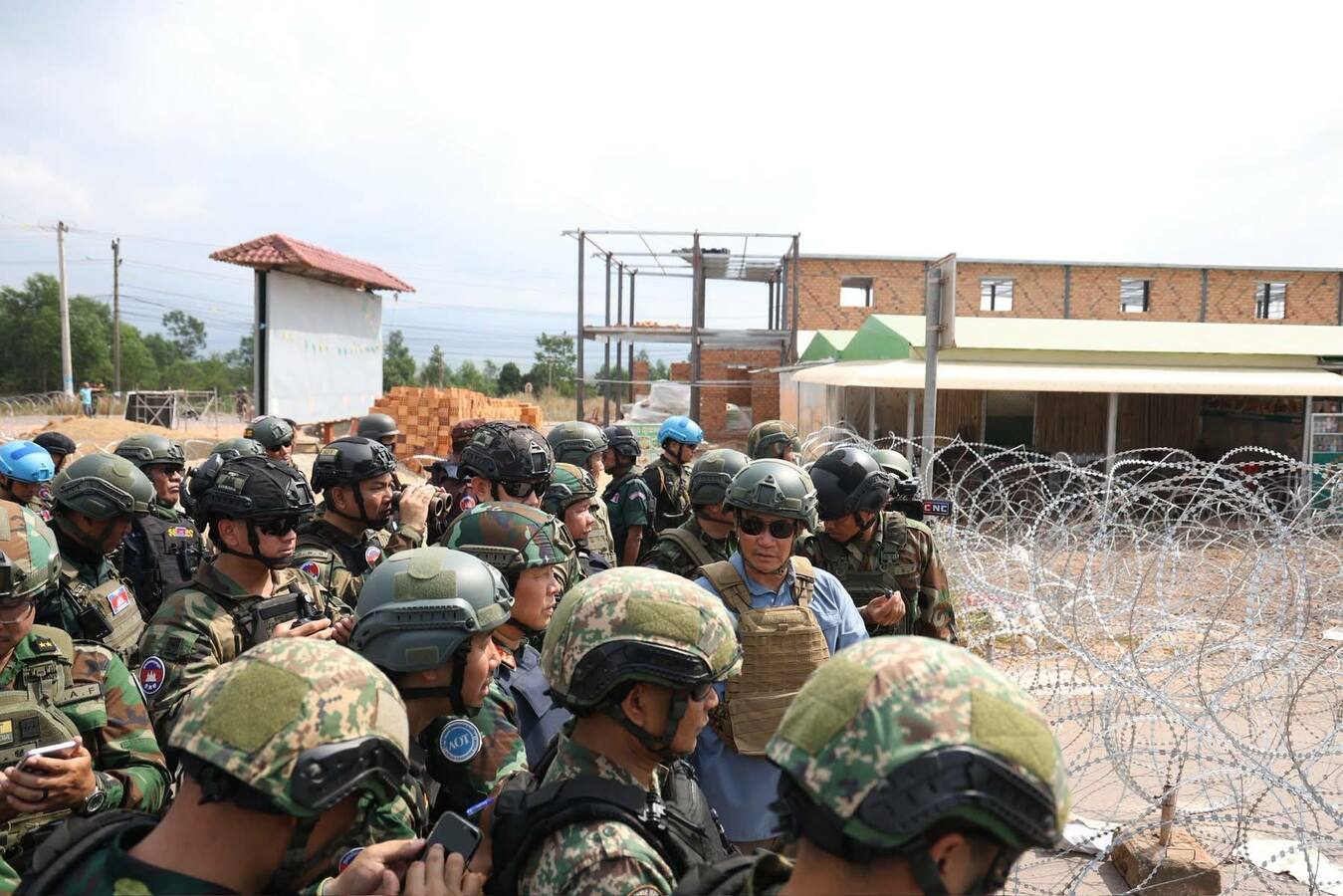 Cambodia Protests Thai Military Actions, Says Sovereignty and Territorial Integrity Have Been Violated
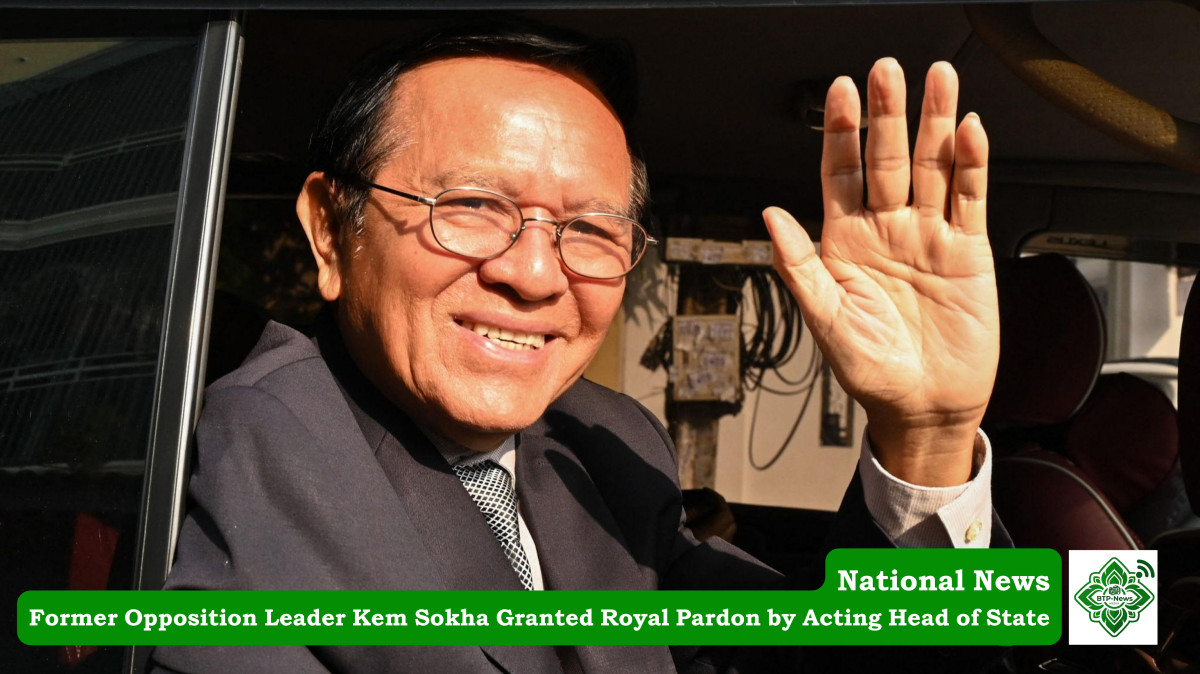 Former Opposition Leader Kem Sokha Granted Royal Pardon by Acting Head of State
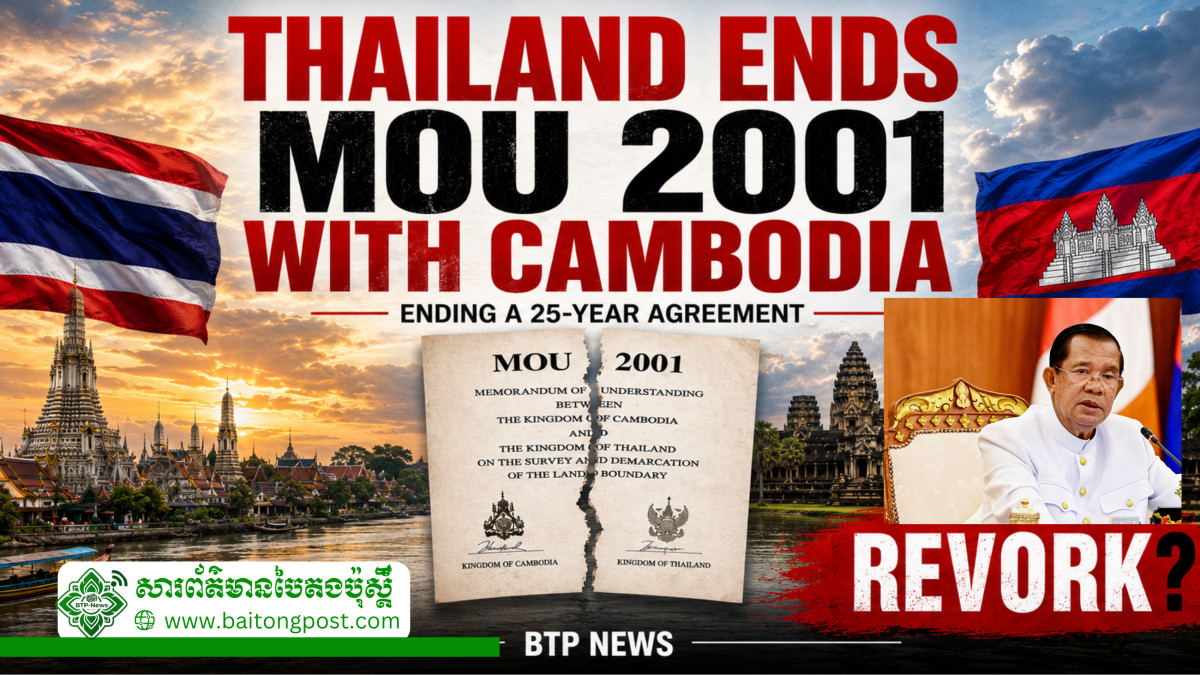 Cambodia’s Acting Head of State Reaffirms International Legal Approach
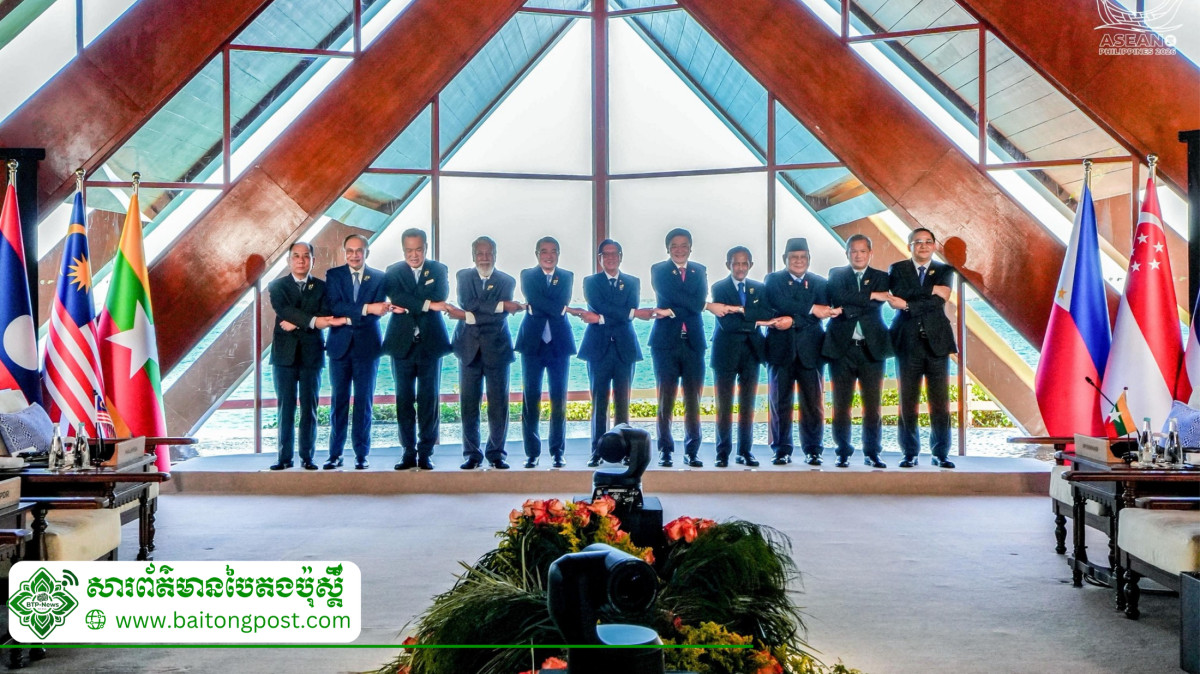 ASEAN Leaders Reaffirm Maritime Unity
21-កក្តដា-2026 - ម៉ោង 09:17:AM
20-កក្តដា-2026 - ម៉ោង 01:50:PM
20-កក្តដា-2026 - ម៉ោង 11:30:AM
11-កក្តដា-2026 - ម៉ោង 11:15:AM


© ២០២៣ រក្សាសិទ្ធិគ្រប់យ៉ាងដោយ BAITONGPOST
#35,St 1013, Phnom Penh Thmei, Sen Sok, , Phnom Penh, Cambodia
