
By: SAVOEUN THENG
PHNOM PENH, July 22 — Cambodia is accelerating the implementation of its national roadmap under the Global Accelerator on Jobs and Social Protection for Just Transitions, aiming to expand social protection coverage and integrate informal workers into the formal economy as rapid changes in labor markets, climate change, digital transformation and global economic uncertainty create new challenges for millions of workers.
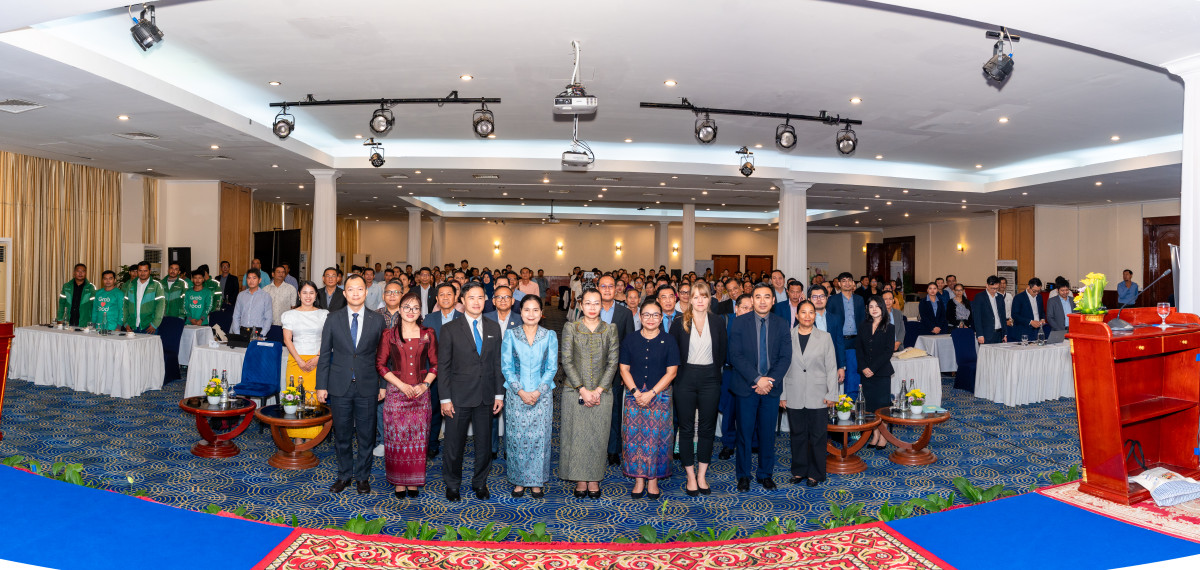
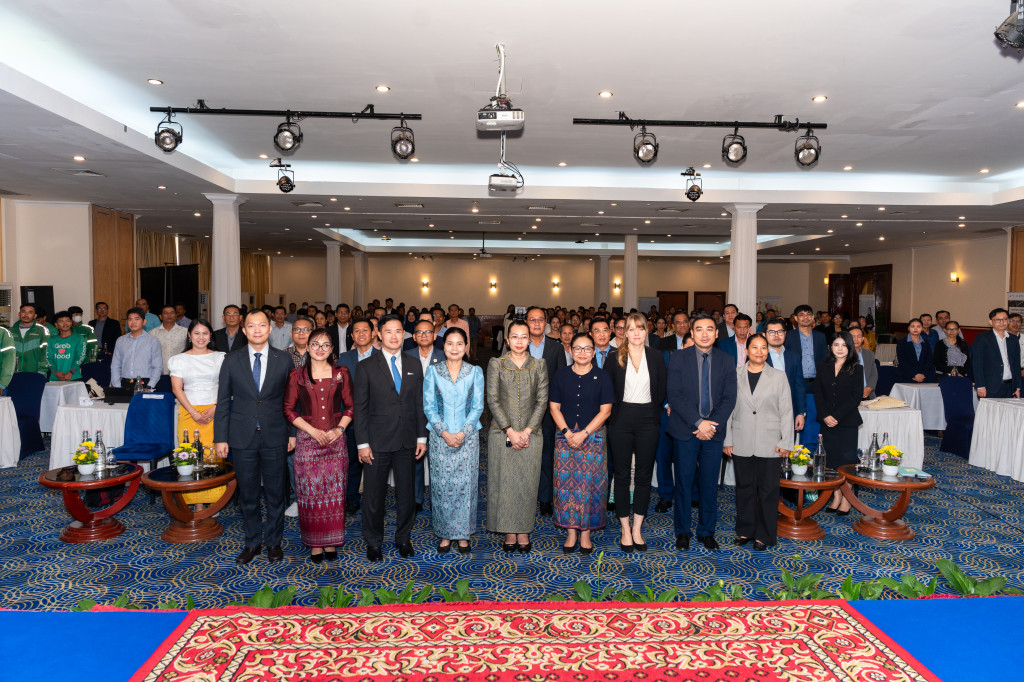
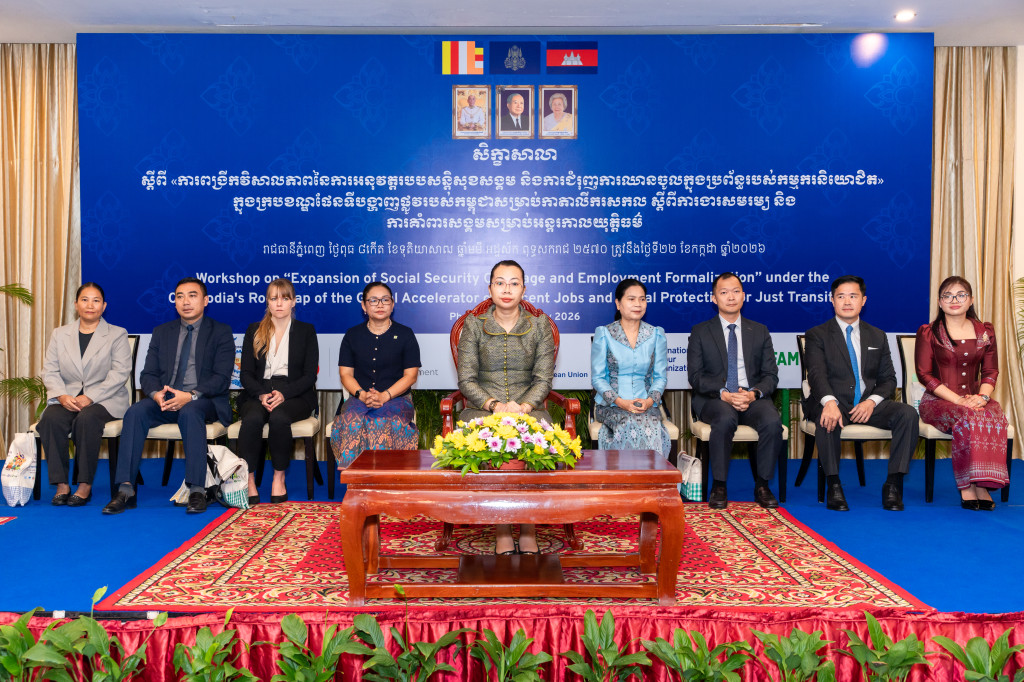
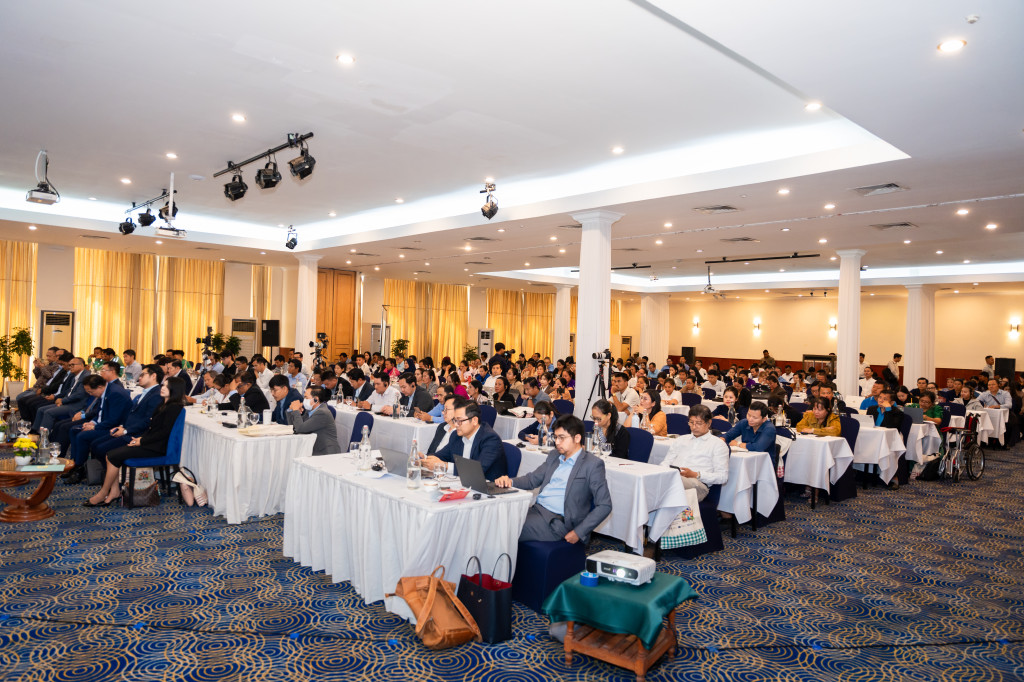
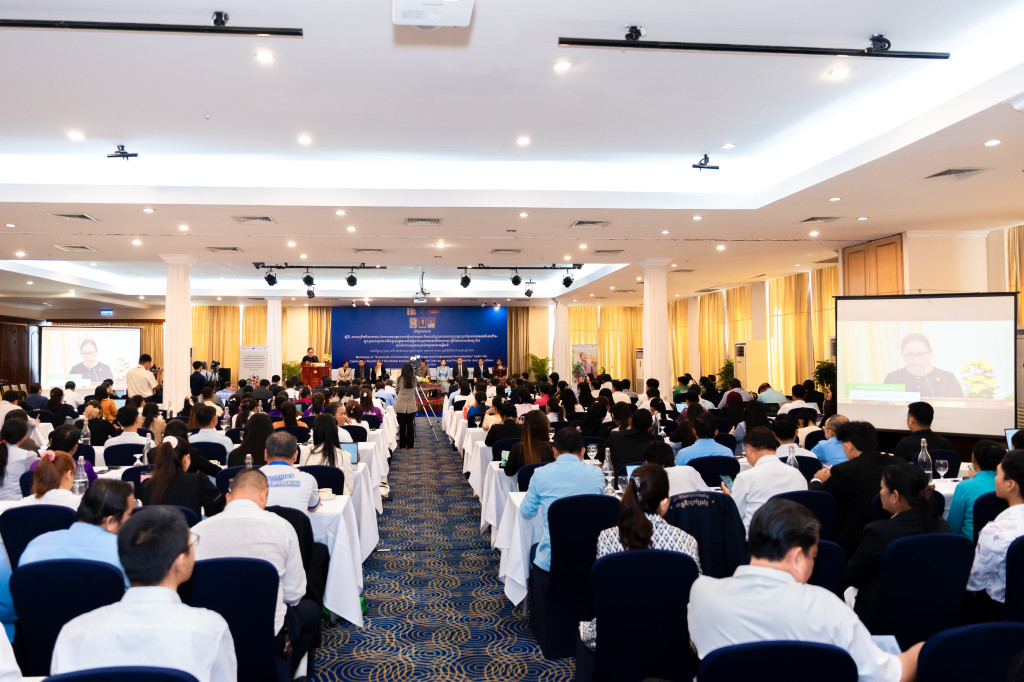
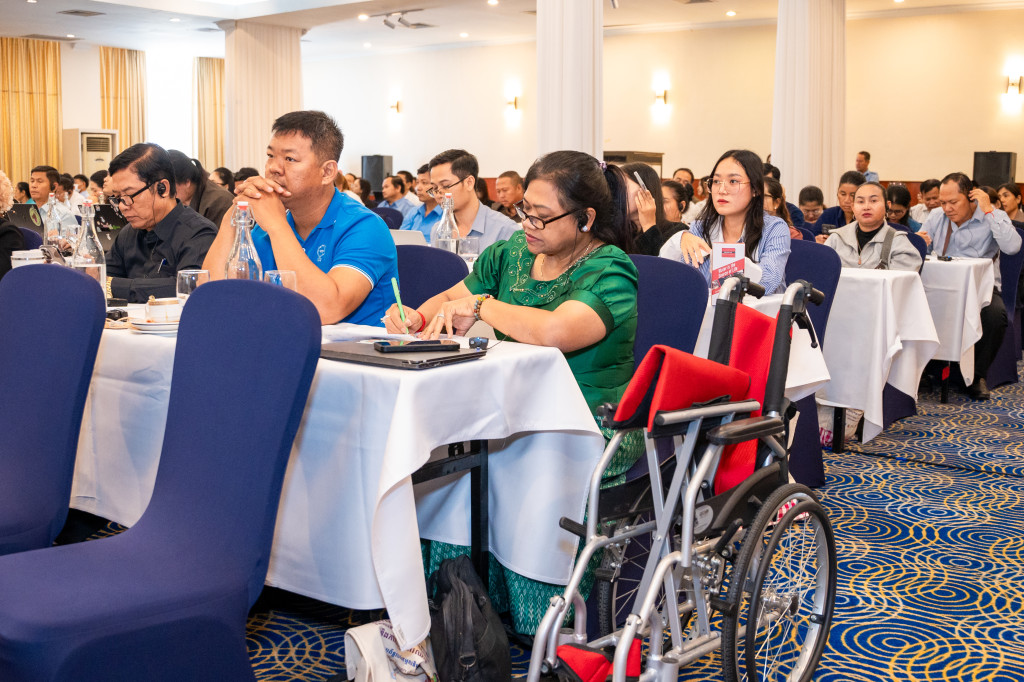
The commitment was highlighted during a national workshop jointly organized by the Ministry of Labour and Vocational Training (MLVT), the International Labour Organization (ILO) and Oxfam Cambodia in Phnom Penh on Tuesday. Around 250 participants attended the event, representing government ministries, United Nations agencies, development partners, employers' and workers' organizations, civil society groups, farmers' associations, informal economy workers and self-employed workers.
The workshop aimed to review Cambodia's progress in implementing its national roadmap while gathering recommendations from key stakeholders to strengthen policies that promote decent work and expand social protection to workers across both the formal and informal economies.
Cambodia joined the United Nations' Global Accelerator on Jobs and Social Protection for Just Transitions as a Pathfinder Country in 2023 and endorsed its national roadmap in late 2024. The initiative seeks to create decent employment opportunities, expand access to social protection and support inclusive economic transformation, particularly for vulnerable workers who remain outside existing protection systems.
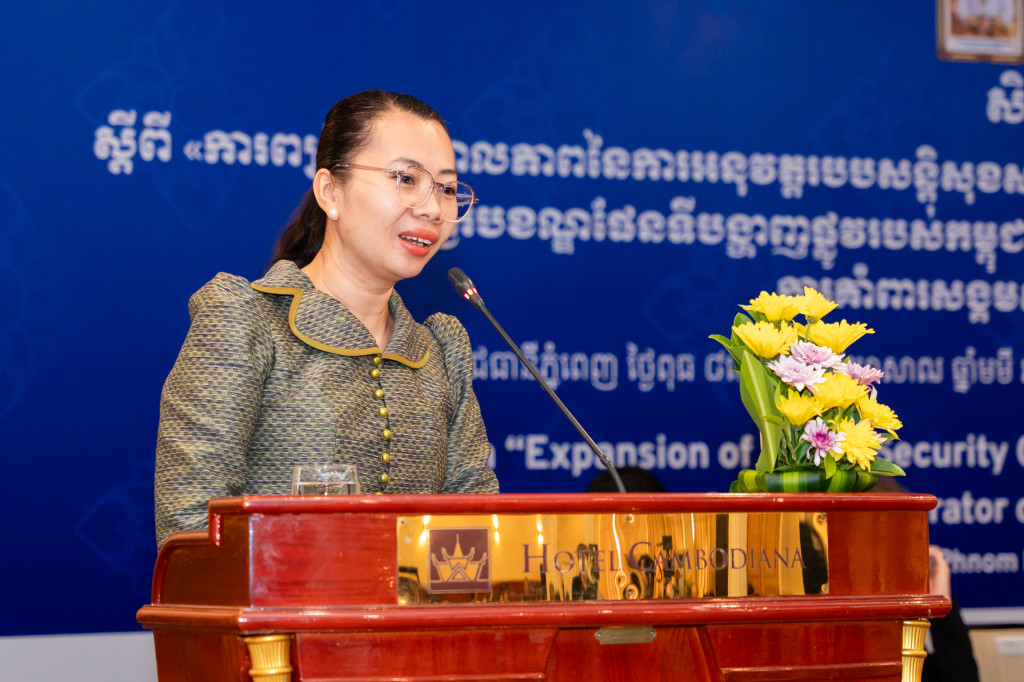
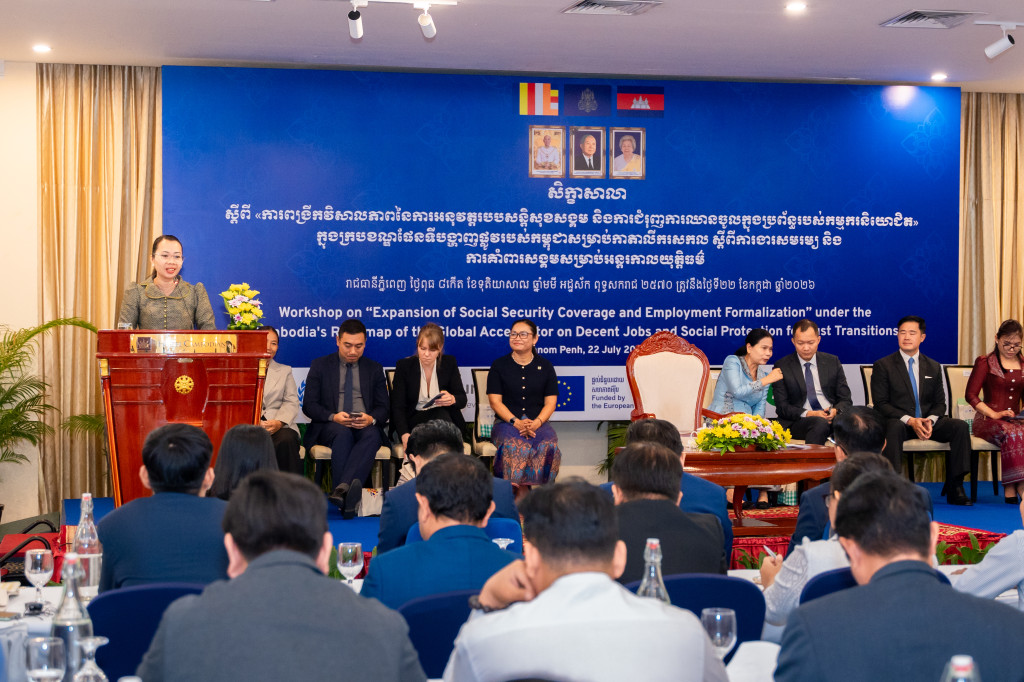
Opening the workshop, HER. Sovann Vannarath, Permanent Secretary of State at the Ministry of Labour and Vocational Training, speaking on behalf of Labour Minister Heng Sour, said the roadmap reflects the Cambodian government's commitment to ensuring that all workers have access to decent work and adequate social protection.
"Today's event demonstrates our commitment to leaving no one behind. We must work together to ensure that workers in both the formal and informal economy have access to decent jobs, sustainable livelihoods and quality social protection," she said.
She said Cambodia's labour market is undergoing rapid transformation driven by technological innovation, changing economic structures, climate-related challenges and regional geopolitical uncertainty. These developments, she said, require more inclusive and responsive labour and social protection policies capable of addressing emerging forms of employment.
Sovann Vannarath added that the workshop also sought to strengthen collaboration among government institutions, United Nations agencies, development partners, civil society organizations and workers' representatives to translate the national roadmap into concrete actions.
Participants discussed ways to improve social protection coverage for informal workers and the self-employed, strengthen legal frameworks for emerging forms of employment, and enhance cooperation among relevant institutions to support effective implementation of the roadmap.
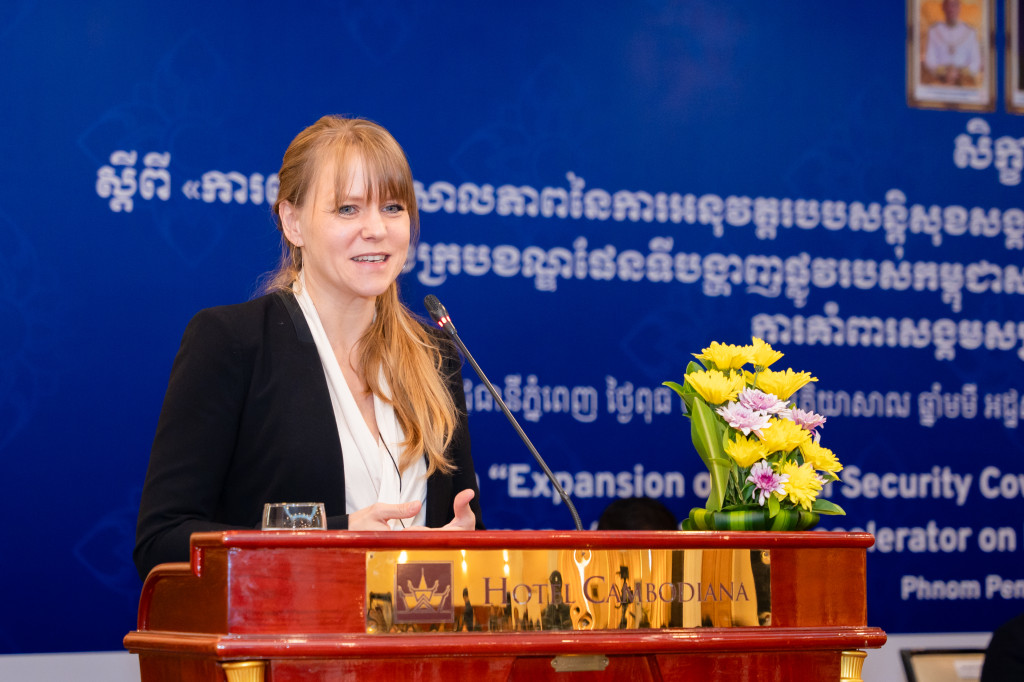
Helen Kirsch, Technical Officer for Decent Work and Social Protection at the ILO, said Cambodia had demonstrated strong national ownership by developing concrete policies and implementation plans under the Global Accelerator initiative.
"The roadmap is more than a policy document. It is a practical instrument that can translate policy commitments into concrete actions to extend social protection to vulnerable workers and those engaged in new forms of employment," she said.
Kirsch noted that many digital platform workers, ride-hailing and delivery workers, farmers and self-employed workers remain outside comprehensive social protection systems. She said the ILO would continue providing technical assistance, research and policy support to help Cambodia strengthen its legal framework and adapt social protection systems to the evolving labour market.
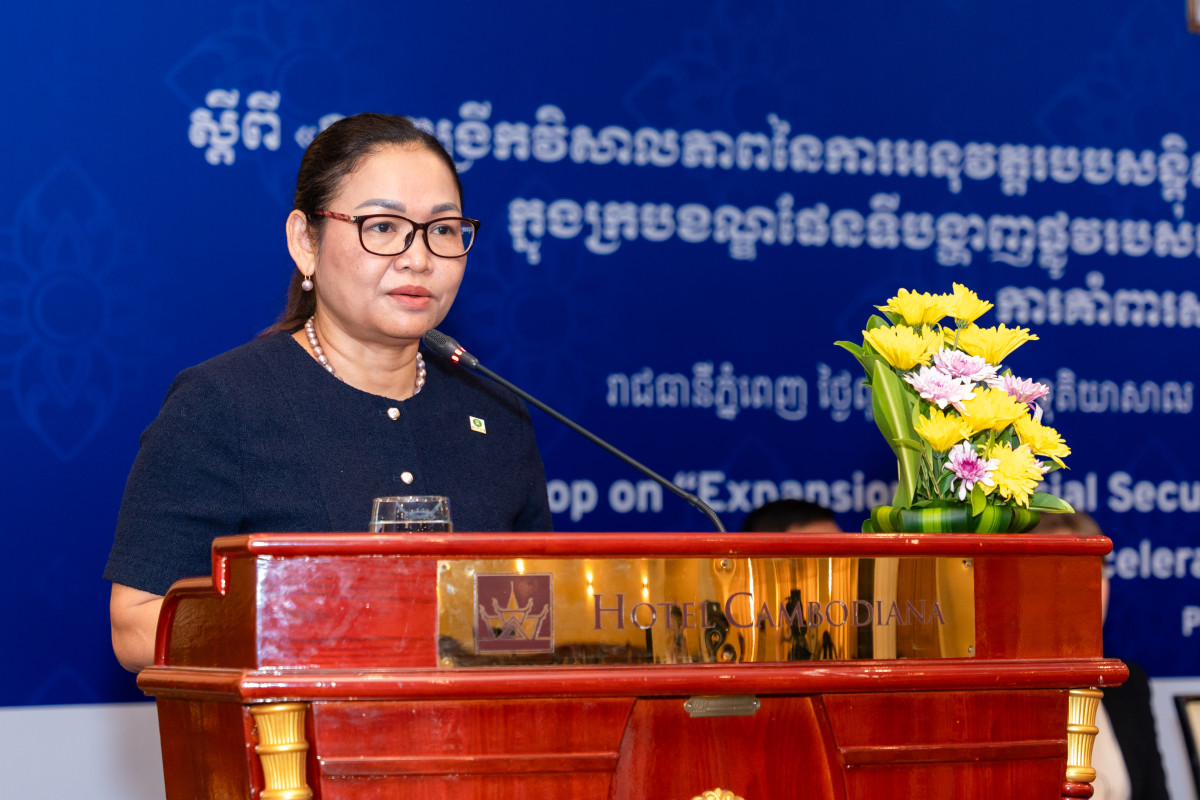
Ms. Phean Sophoan, Country Director of Oxfam Cambodia, said informal workers and self-employed people remain a cornerstone of Cambodia's economy but continue to face significant barriers to accessing legal recognition and social protection.
"Informal and self-employed workers are the backbone of Cambodia's economy, yet many continue to face major obstacles in accessing social protection and legal recognition. Sustainable development can only be achieved through partnerships that place vulnerable workers at the centre of policy and action," she said.
She added that climate change, shifting weather patterns, declining agricultural productivity and economic uncertainty are placing increasing pressure on farming households and informal workers, heightening the risk of income loss and poverty without stronger social protection systems.
Oxfam said it would continue working with the Cambodian government, labour organizations, civil society and development partners to expand social protection coverage and support implementation of the national roadmap.
The workshop concluded with a call for closer cooperation among government institutions, employers, workers' organizations, civil society and international partners to accelerate implementation of Cambodia's roadmap and ensure that decent work and social protection become accessible to all workers in line with the country's national development priorities and the Sustainable Development Goals.
 Cambodia Pushes to Expand Social Protection for Formal and Informal Workers
 Cambodia Takes Another Step Toward Enacting an Occupational Safety and Health Law
 Cambodian Civil Society Calls on ASEAN to Strengthen Disability Rights in Post-2025 Regional Masterplan
 Acting Head of State Warns Corrupt Officials and Smugglers Over Illegal Thai Imports
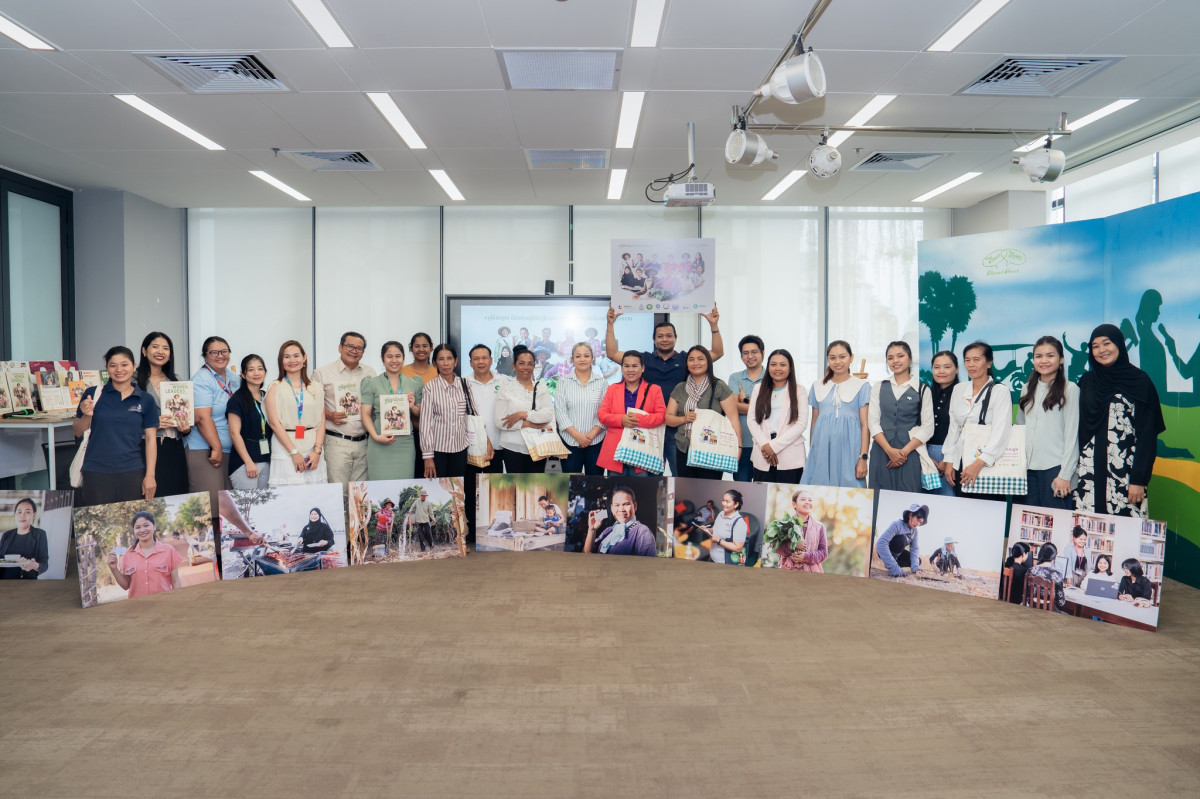 Oxfam Highlights Women’s Hidden Contributions to Cambodia’s Agri-Food Sector and the Importance of Social Protection
 Stung Treng Governor Says He Would Rather Be Hated by Criminals Than by Citizens Over Online Scams
 93% of Informal Economy Workers Self-Registered Through Digital Platform
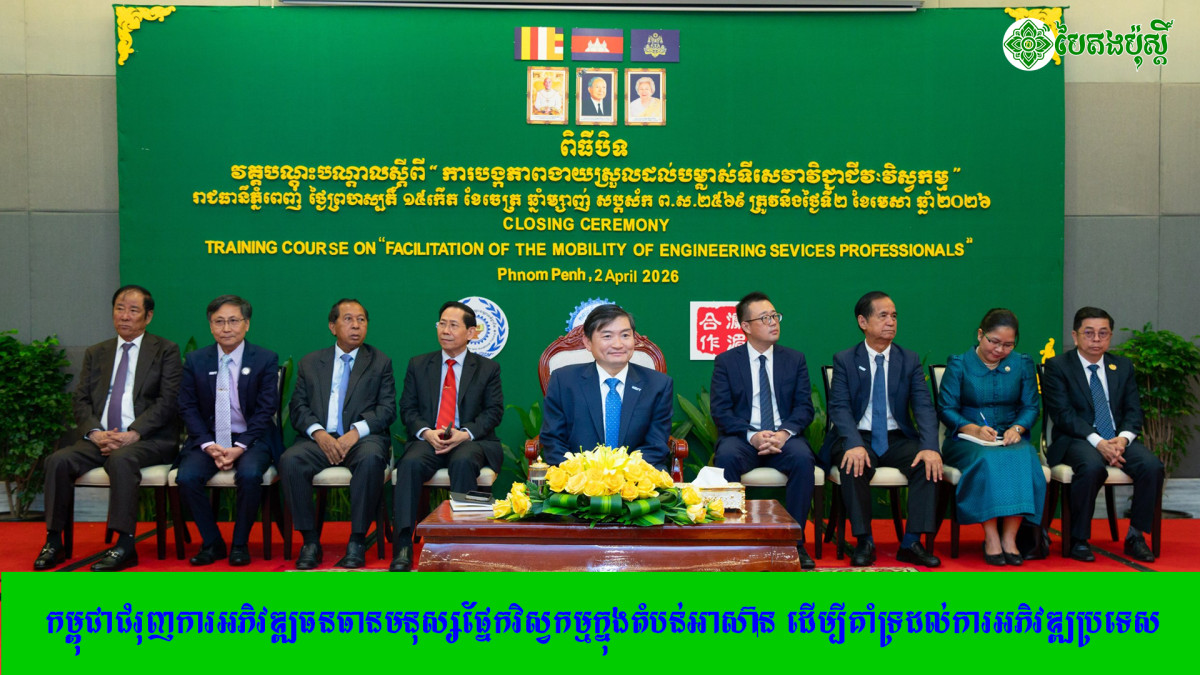 Cambodia Promotes Engineering Human Capital Development in ASEAN to Support National Growth
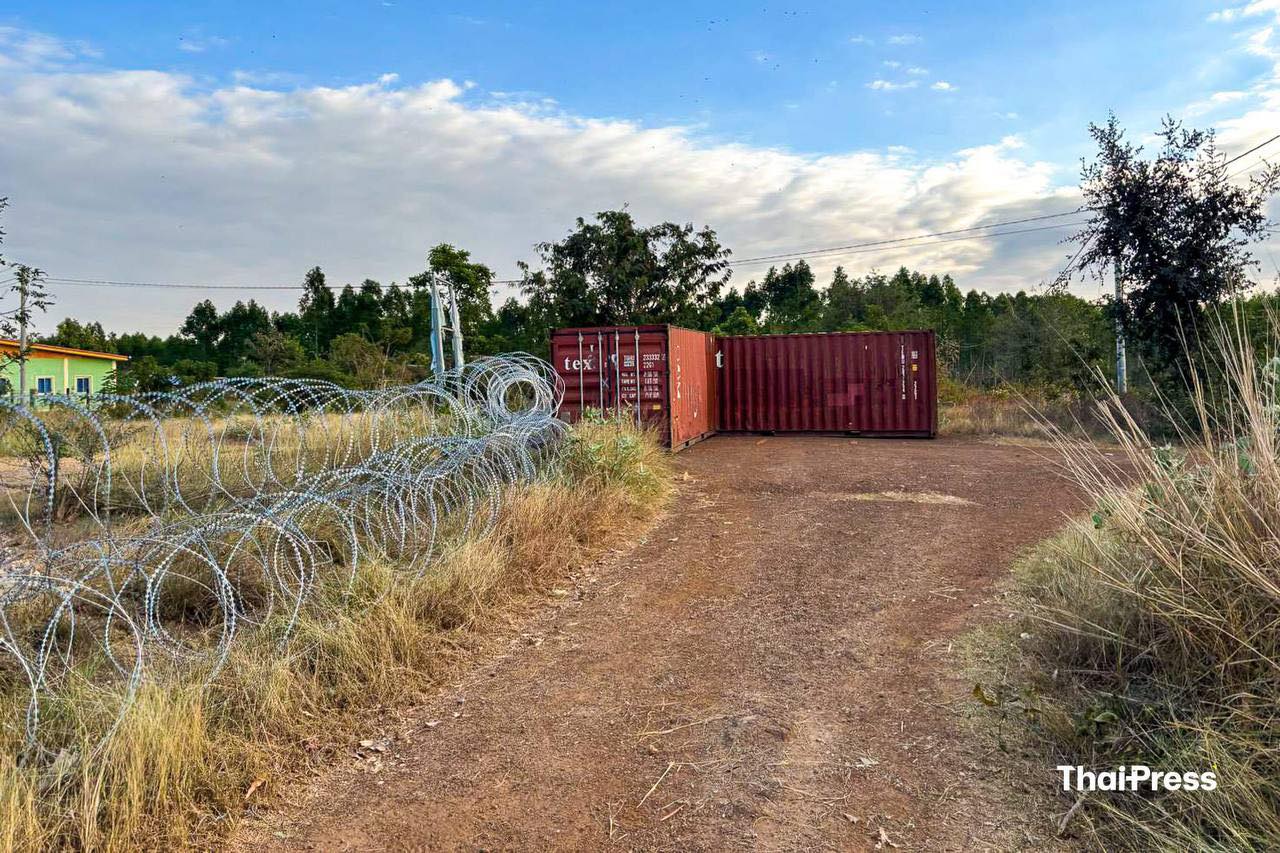 CHRC Urges UN Action Over Alleged Rights Violations Against Cambodian IDPs
11-កក្តដា-2026 - ម៉ោង 03:05:PM
25-មិថុនា-2026 - ម៉ោង 10:16:PM
13-មិថុនា-2026 - ម៉ោង 03:15:PM
01-មិថុនា-2026 - ម៉ោង 12:14:PM


© ២០២៣ រក្សាសិទ្ធិគ្រប់យ៉ាងដោយ BAITONGPOST
#35,St 1013, Phnom Penh Thmei, Sen Sok, , Phnom Penh, Cambodia
