
PHNOM PENH, April 29 — The International Union for Conservation of Nature has launched a new report urging governments to strengthen policy and legal frameworks to support the transition toward sustainable agriculture, warning that current food production systems are placing increasing pressure on biodiversity, natural resources and climate resilience.
The report, Policy and Legal Enabling Conditions for Sustainable Agriculture: A Multilevel Comparative Approach, examines how international, regional and national legal systems can better enable sustainable food and agricultural systems through stronger governance, improved institutional coordination and alignment with global environmental commitments.
According to International Union for Conservation of Nature, while advances in agricultural science have increased food production over recent decades, they have also contributed to soil and water pollution, biodiversity loss and ecosystem degradation. These pressures are being compounded by growing populations, intensified production and consumption patterns, and the accelerating impacts of climate change.
The report identifies key gaps in existing legal and policy frameworks and calls for reforms to strengthen land-use planning, domestic legislation and implementation mechanisms while aligning agricultural policies with commitments under the United Nations Framework Convention on Climate Change, Convention on Biological Diversity and United Nations Convention to Combat Desertification.
“Sustainable agriculture cannot be achieved through technical solutions alone. It requires enabling policy and legal conditions that support long-term transformation across food systems, protect ecosystems and ensure social equity,” said an International Union for Conservation of Nature representative during the report launch webinar.
“The report shows there are important opportunities to strengthen governance at multiple levels — from international commitments to domestic legislation — to help accelerate the transition toward more sustainable and resilient agricultural systems,” the representative added.
Participants in the launch webinar, including authors, reviewers and practitioners, said stronger legal frameworks are critical to supporting governments, farmers and communities in adopting sustainable practices while addressing interconnected crises involving food insecurity, biodiversity loss and climate change.
The report comes as policymakers face growing pressure to transform agri-food systems in ways that are environmentally sound, economically viable and socially inclusive. For countries such as Cambodia, where agriculture remains central to rural livelihoods, the findings could inform efforts to strengthen policy support for small-scale farmers and improve sustainable resource management.
Observers say the report may contribute to wider debates on how legal and institutional reforms can help deliver more resilient food systems while meeting global sustainability commitments.

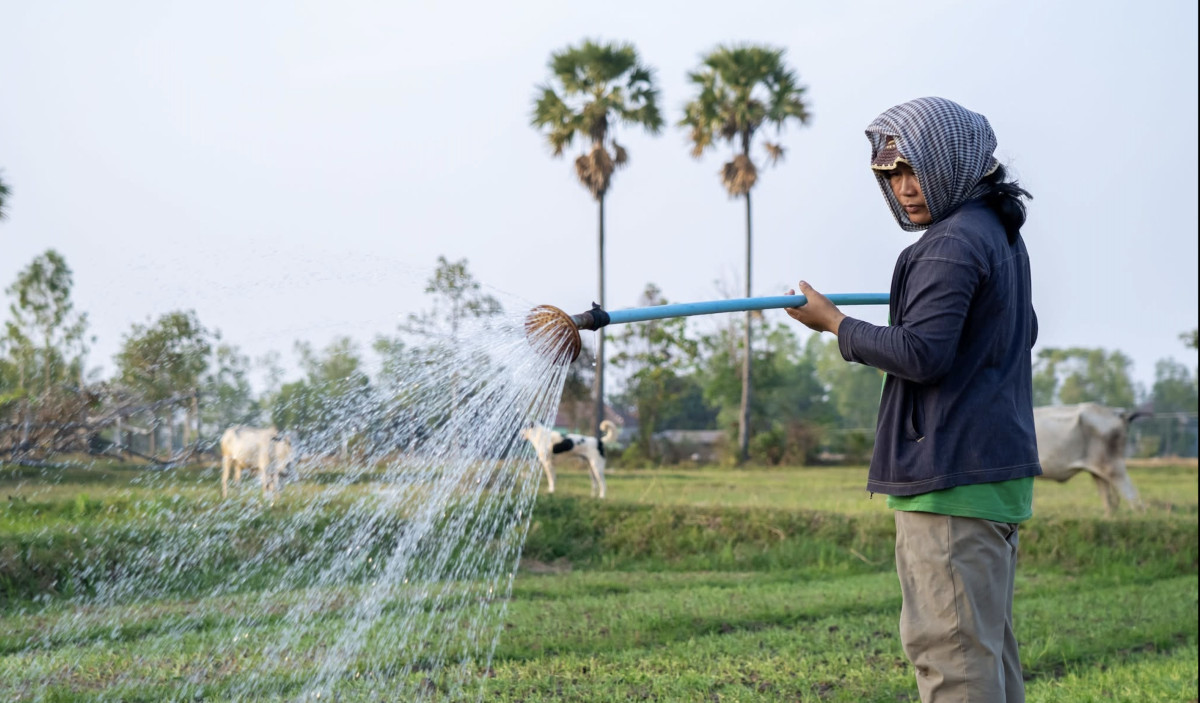 Farmers Fear Livelihood Losses and Crop Damage Amid Unpredictable 2026 Rainy Season
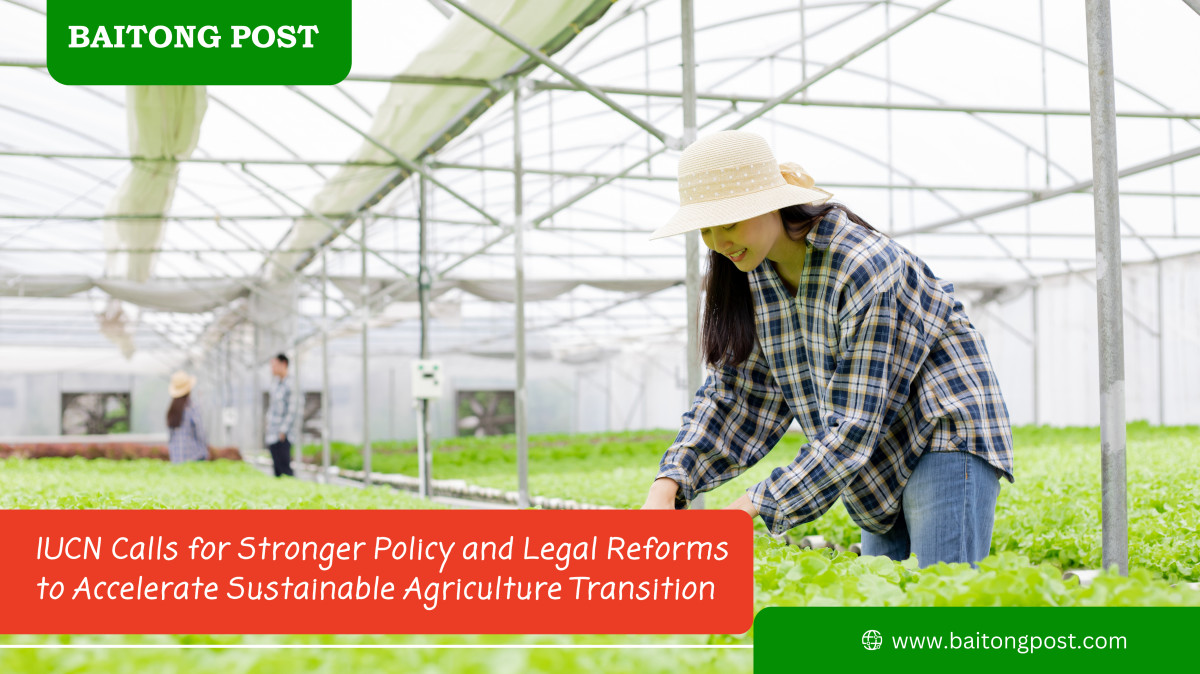 IUCN Calls for Stronger Policy and Legal Reforms to Accelerate Sustainable Agriculture Transition
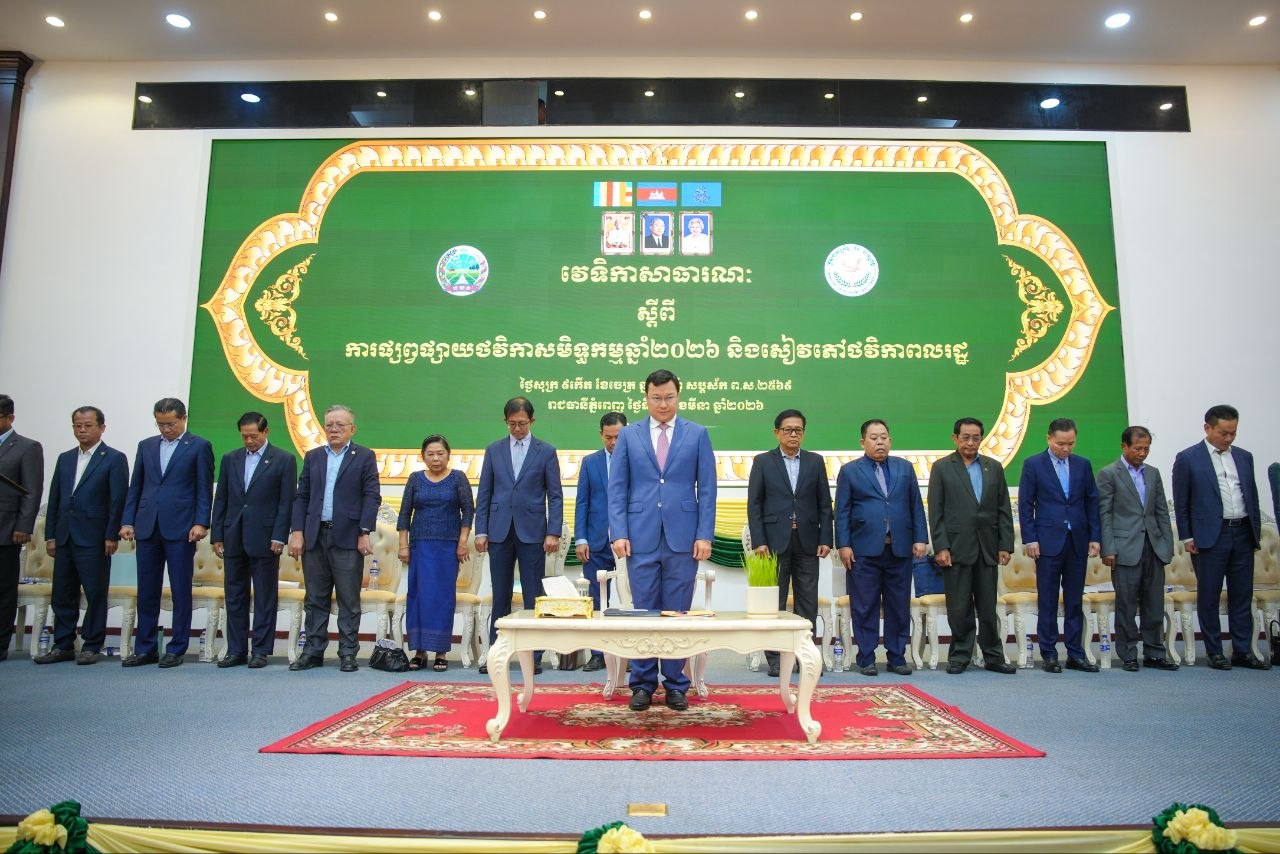 Minister of Agriculture Launches Public Forum to Disseminate 2026 Program Budget and Citizen Budget
 Plants and Their Stories
29-មេសា-2026 - ម៉ោង 04:11:PM
03-មេសា-2026 - ម៉ោង 11:17:AM
04-តុលា-2023 - ម៉ោង 10:20:AM


© ២០២៣ រក្សាសិទ្ធិគ្រប់យ៉ាងដោយ BAITONGPOST
#35,St 1013, Phnom Penh Thmei, Sen Sok, , Phnom Penh, Cambodia
